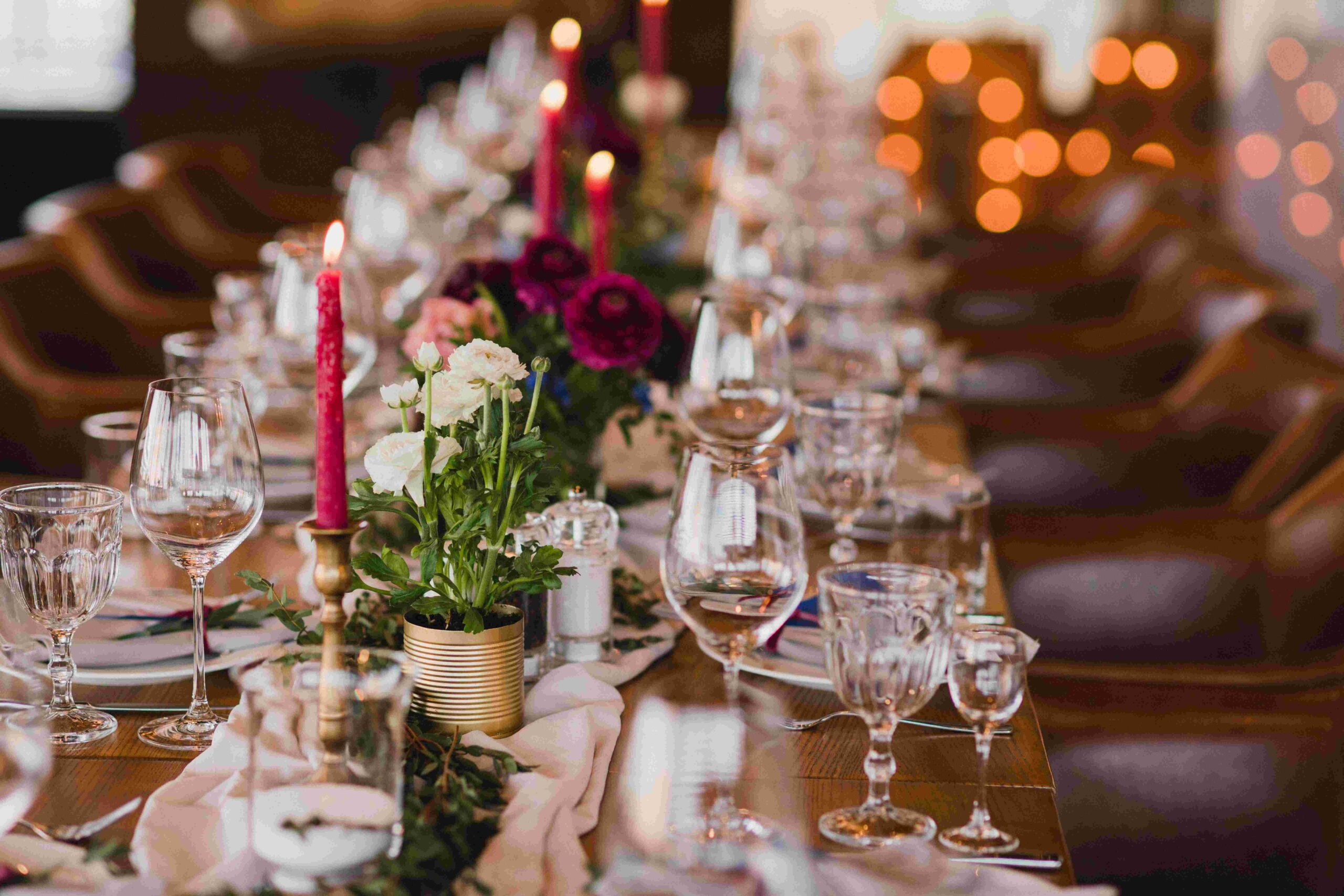


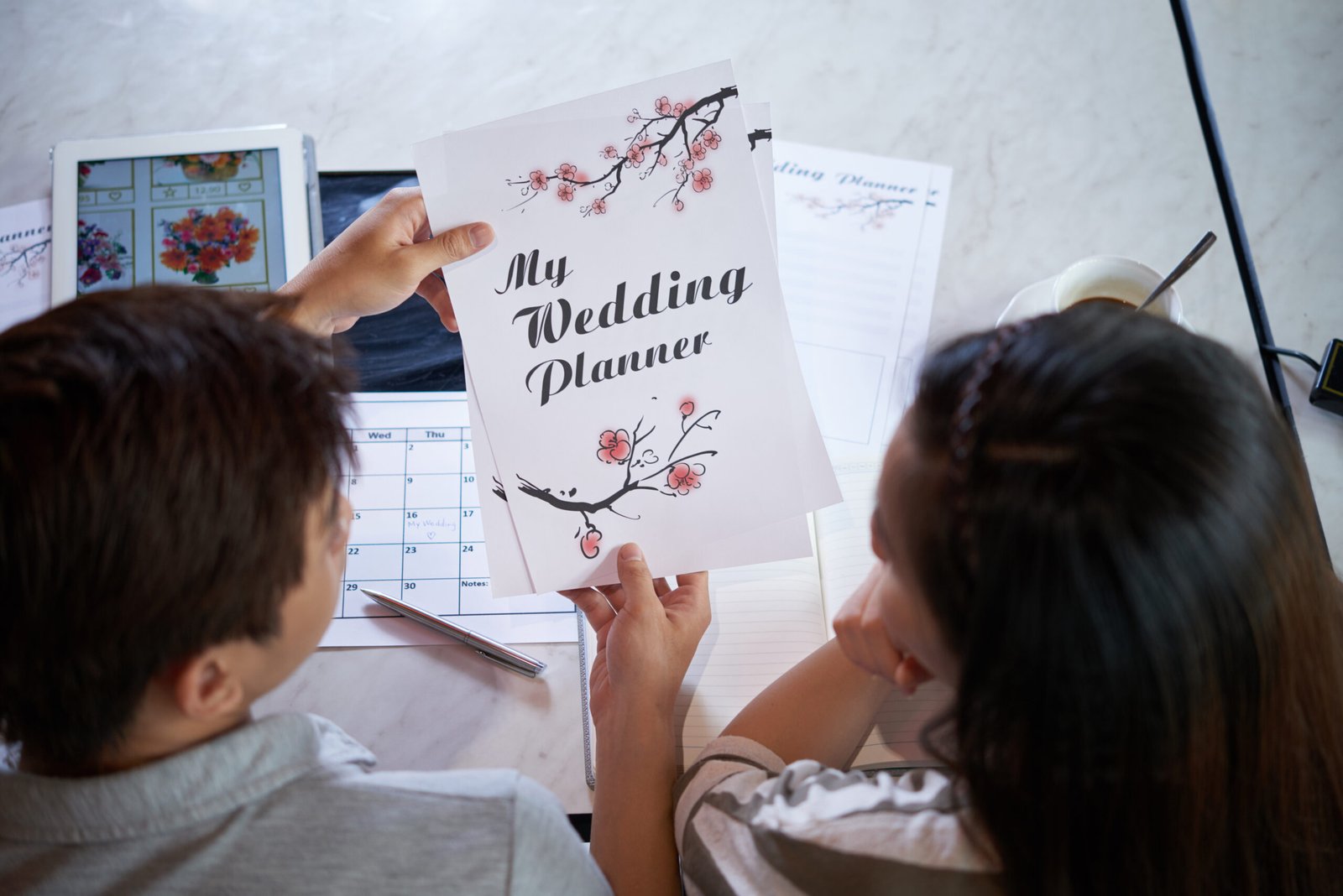
Choosing the right wedding vendors is one of the most important parts of planning a wedding. Your photographer, caterer, florist, entertainment team, venue, hair and makeup artists, and other professionals all contribute to how your wedding looks, feels, and runs.
But comparing vendors involves more than looking at portfolios or pricing. Before signing a contract, you need to understand their availability, services, communication process, costs, cancellation terms, and how they will work with the rest of your wedding team.
For couples planning a wedding in New York or New Jersey, asking the right questions early can make vendor selection more organised and help prevent avoidable surprises later.
What Should You Look for When Choosing Wedding Vendors?
The right wedding vendors should fit your wedding vision, budget, date, venue, guest needs, and expectations for service. Before booking, ask about their availability, experience, pricing structure, contract, deliverables, payment schedule, cancellation policy, and communication process.
It is also important to consider how well a vendor will collaborate with your other wedding professionals. A vendor can be talented individually, but your wedding involves multiple people working within the same timeline.
10 Questions to Ask Wedding Vendors Before Booking
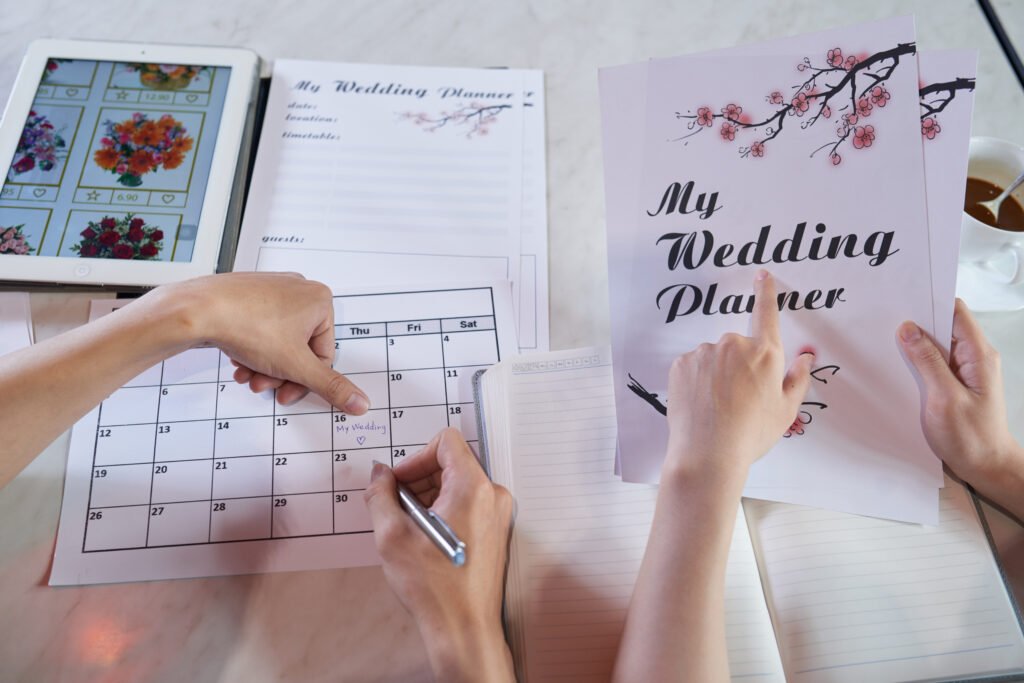
1. Are You Available on Our Wedding Date?
Start with availability before spending too much time comparing a vendor’s work.
Ask whether they are available for your exact date and whether they will personally be present. For larger vendor teams, clarify who will actually be assigned to your wedding.
If your date is not flexible, confirming availability early can save significant planning time.
2. What Exactly Is Included in Your Package?
A quoted price does not always tell you what you are receiving.
Ask the vendor to explain:
- Services included
- Number of hours
- Products or deliverables
- Setup and breakdown
- Additional services
- Travel or delivery fees
- Overtime charges
- Taxes and other applicable costs
Having these details in writing makes it easier to compare vendors fairly.
3. What Is the Total Cost and Payment Schedule?
Ask for a clear breakdown of the total cost and when payments are due.
You should understand the deposit or retainer, subsequent payment dates, final balance, and any circumstances that could create additional charges.
For couples managing several vendors, keeping payment schedules organised alongside the overall wedding budget is especially important.
4. Can We Review the Contract Before Booking?
Always read the contract carefully before signing.
Look for information about:
- Cancellation and postponement
- Refunds
- Rescheduling
- Overtime
- Substitutions
- Liability
- Deliverables
- Payment deadlines
- Force majeure provisions
If something is unclear, ask the vendor to explain it before making a commitment.
5. How Do You Handle Changes or Unexpected Situations?
Weddings involve many moving parts, so it is worth understanding how a vendor responds when plans change.
Ask what happens if the timeline changes, the venue requires an adjustment, weather affects an outdoor element, or the vendor becomes unavailable.
You are not trying to predict every possible problem. You are learning how the vendor approaches planning and communication when circumstances change.
6. How Do You Communicate With Couples During Planning?
Ask how often you can expect communication and which channels they use.
Some vendors may communicate primarily through email, while others may schedule calls or meetings at key planning stages.
Also ask who your main point of contact will be. Clear communication becomes particularly valuable as your wedding date approaches and multiple vendors need to coordinate details.
7. Have You Worked at Our Venue or Similar Venues?
Venue familiarity can be useful because different locations have their own layouts, access rules, loading procedures, timing requirements, and preferred vendor policies.
If the vendor has not worked at your venue before, ask whether they are comfortable coordinating with the venue team and learning its requirements.
For New York and New Jersey weddings, this can be particularly relevant when working across different venue types, from city spaces and ballrooms to estates and waterfront locations.
8. How Will You Coordinate With Our Other Vendors?
Your wedding vendors do not work in isolation.
Ask how the vendor handles coordination with the planner, venue, caterer, photographer, entertainment team, or other professionals involved in the day.
This is particularly important for services that depend on timing. Photography, entertainment, catering, décor installation, transportation, and venue operations may all need to align with the same wedding-day schedule.
9. Can We See Examples of Your Recent Work?
A portfolio can help you understand a vendor’s style, but look beyond the most polished images.
Ask to see work that is relevant to your type of wedding, venue, scale, or aesthetic. You can also ask about the process behind the work and what the vendor typically handles.
The goal is to determine whether their approach matches what you actually want.
10. What Do You Need From Us Before the Wedding?
This question is often overlooked.
A vendor may need information such as schedules, guest details, venue contacts, song selections, floor plans, meal preferences, shot lists, design approvals, or other event-specific information.
Knowing these requirements early gives you time to prepare rather than discovering them shortly before the wedding.
What Couples Commonly Overlook When Choosing Wedding Vendors
What We Observe: Couples often focus heavily on price, availability, and portfolio quality when comparing wedding vendors. Those factors matter, but the planning experience also depends on communication, contract clarity, responsiveness, flexibility, and coordination.
Another important consideration is whether vendors can work together effectively. Even excellent individual vendors need clear information about the timeline, venue, responsibilities, and other professionals involved.
A useful approach is to compare vendors using the same set of questions rather than making decisions based on one factor alone.
Should You Choose a Wedding Planner Before Other Vendors?
In many cases, involving a planner early can simplify vendor selection because the planner can help couples understand what needs to be booked, when different vendors are needed, and how each service fits into the overall wedding plan.
White Wave Events offers wedding planning services that include vendor selection and management, budget planning, timeline creation, guest experience planning, and coordination.
For couples looking for a wedding planner in New York, professional planning can also provide a central point of coordination when multiple vendors are involved. White Wave Events serves weddings across New York and New Jersey and lists vendor management, timeline management, budget management, and on-site coordination among its planning capabilities.
How a Wedding Planner Can Help Manage Multiple Vendors
Once you have several vendors booked, coordination becomes just as important as selection.
A wedding planner can help organise vendor communication, timelines, logistics, and responsibilities so everyone understands what needs to happen and when. White Wave Events specifically identifies vendor communication, scheduling, production timelines, ceremony logistics, reception flow, and guest coordination as parts of its planning approach.
This can be particularly useful when your wedding includes multiple events, complex logistics, or a large vendor team.
Final Thoughts
Choosing wedding vendors should not come down to finding the lowest price or the most impressive portfolio alone. Ask detailed questions about availability, services, pricing, contracts, communication, experience, and coordination before you book.
The goal is to build a wedding team that understands your priorities and can work together effectively. Starting with the right questions gives you a clearer basis for making those decisions and creates a more organised planning process from the beginning.
Planning Your Wedding With Confidence Starts Here
Whether you’re planning an intimate celebration, a destination wedding, or a full-scale reception, the right planning support can make every detail easier to manage. From choosing the right vendors and venue to coordinating timelines, décor, guest experiences, and wedding-day logistics, a professional wedding planner in New York can help bring your plans together with greater clarity and organization.
If you’re planning your wedding in New York or New Jersey, connect with White Wave Events to discuss your vision and explore how professional wedding planning can support your celebration.
Ready to start planning? Get in touch with White Wave Events.
Frequently Asked Questions
Q1. How do I choose the right wedding vendors for my wedding?
A. Choose wedding vendors based on their availability, relevant experience, style, services, pricing, contract terms, communication, and ability to work with your other vendors. Compare them using the same questions and consider how well each vendor fits your wedding vision, venue, budget, and overall planning needs.
Q2. What questions should I ask a wedding vendor before booking them?
A. Ask about availability, package inclusions, total cost, payment schedule, contract terms, cancellation policy, communication, venue experience, deliverables, and coordination with other vendors. Also ask what information or decisions they will need from you before the wedding.
Q3. When should I start hiring wedding vendors?
A. Start with vendors whose availability is particularly important to your date or wedding plans, then work through the remaining services according to your planning timeline. Your venue, wedding date, guest count, priorities, and event complexity can all influence when individual vendors should be booked.
Q4. Should I hire a wedding planner before booking other vendors?
A. Hiring a wedding planner early can help you understand which vendors you need, compare options, organise your budget, and establish a workable planning timeline. A planner can also help coordinate vendor selection so individual bookings support the overall wedding plan.
Q5. How can a wedding planner help manage multiple wedding vendors?
A. A wedding planner can centralise communication, coordinate schedules, manage timelines, organise logistics, and help ensure vendors understand their responsibilities. This creates a more coordinated planning process and helps different professionals work toward the same wedding-day schedule.