

Deciding between a buffet-style service or a seated dinner can significantly impact your guests’ experience—and your budget. As an experienced event planner, White Wave Events has planned weddings, destination celebrations, corporate galas and intimate parties across the USA. We know how pivotal this choice can be in your wedding reception timeline. Let’s explore both options to help you make the best decision.
1. Guest Experience & Atmosphere
Buffet: Casual, Interactive, & Flexible
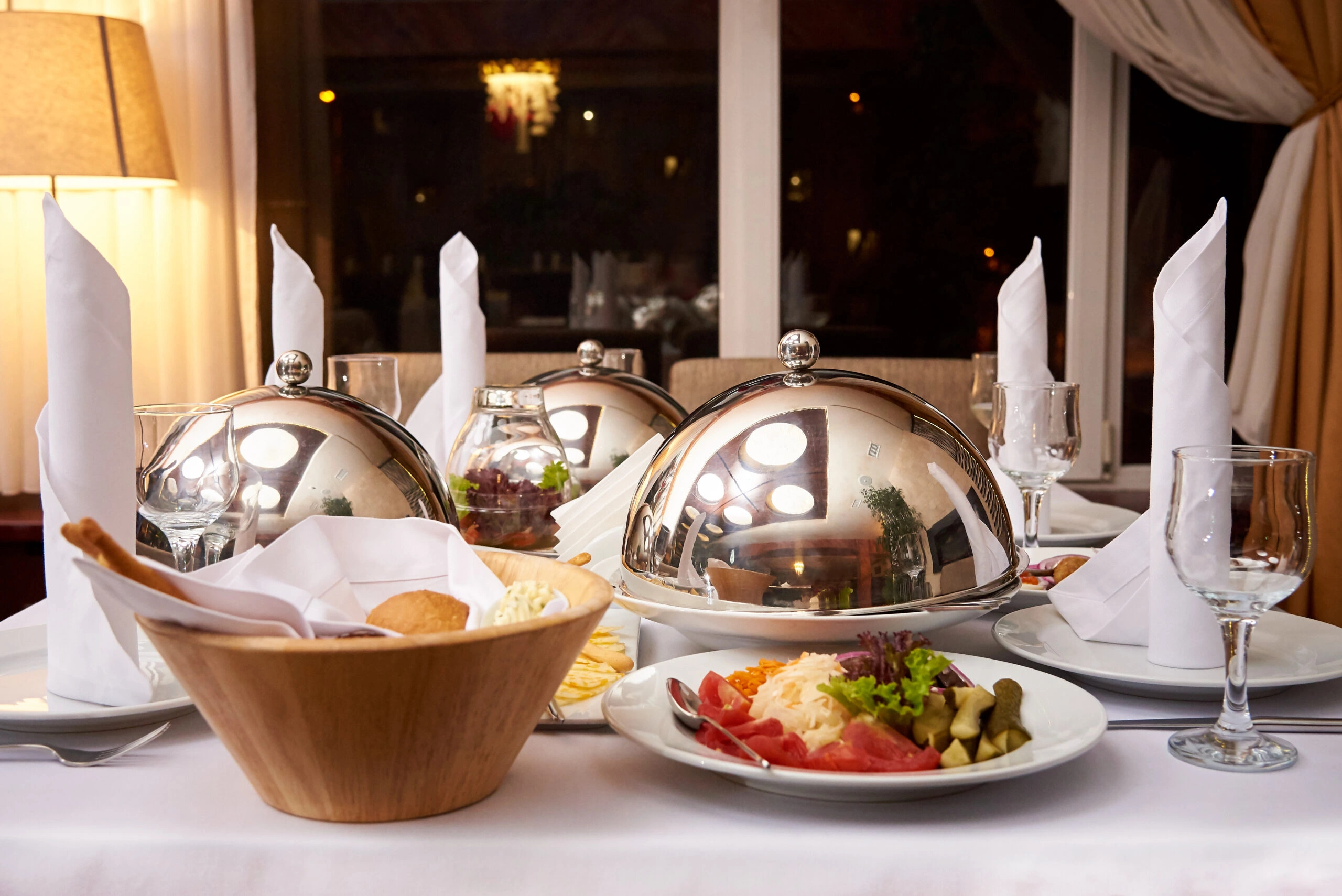
Buffets encourage mingling and offer a relaxed atmosphere. Your guests can stroll, refill their plates, and choose based on preferences—even accommodating dietary palettes like gluten-free or vegan with ease. Buffets also give your caterer the flexibility to replenish dishes as needed.
Sit‑Down Dinner: Elegant & Structured
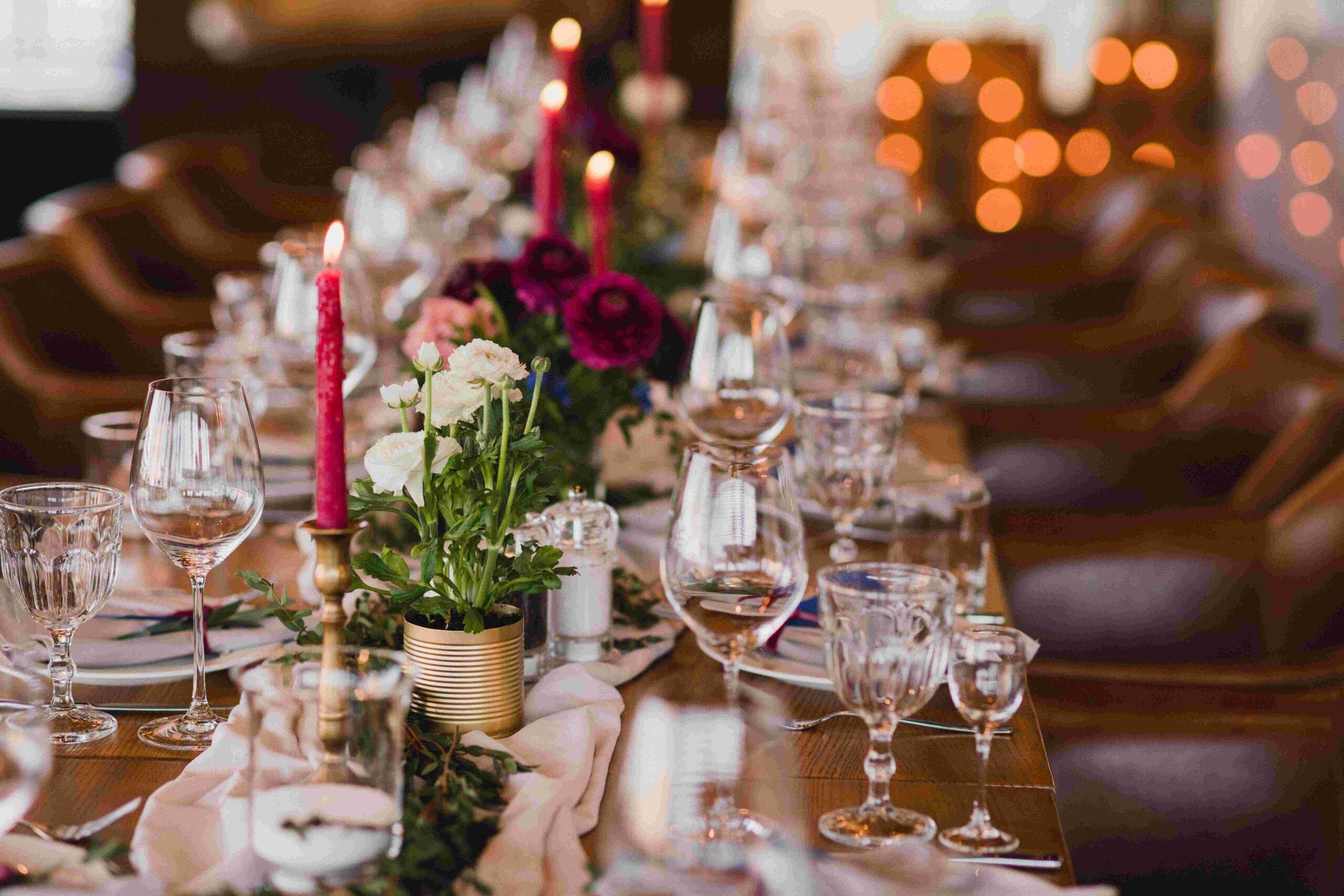
A plated dinner delivers fine dining directly to your guests—every dish arrives uniformly, elevating sophistication. This approach suits the elegance of luxury invitations and formal ceremonies. Your coordinator will handle table assignments and the timing of meal service.
Pro Tip: Align with Theme & Venue
A sit-down dinner shines in grand halls, while a buffet is ideal for outdoor spaces and cultural celebrations. If you’re planning a sprawling farm-to-table soiree at a vineyard, a buffet enhances the casual vibe. For black‑tie affairs or ballroom soirées, a sit-down service is seamless.
2. Budget, Staffing & Logistics
Buffet: Cost-Effective & Flexible
Buffets typically require less staff—guests serve themselves, meaning fewer waiters. This can help reduce costs, though the savings depend on your caterer and menu. Buffets can also work well for affordable catering packages in New Jersey or for destination weddings, helping manage costs without sacrificing quality. The wedding planning list should include buffet timing: ideally during cocktail hour or right before dinner to maintain flow.
Sit‑Down Dinner: Premium & Polished
Table service demands more staff and kitchen coordination. If you’re investing in plated courses and custom menu options, be prepared to budget extra. This may suit couples planning a destination wedding or a more upscale experience, but it also increases labor costs.
Pro Tip: Service Efficiency
With plated meals, precise timing is critical. Coordinate entrée delivery so every table is served at about the same time to maintain a smooth wedding reception timeline. Buffets offer greater leeway but risk slowdowns if multiple stations aren’t well-managed.
3. Food Quality, Presentation & Dietary Needs
Buffet: Variety & Customization
Buffets allow for multiple dishes in smaller portions—ideal for showcasing diverse flavors and meeting dietary restrictions. Want Italian station, carving station, and vegan specialties? Easy. It also makes it easier to work in favors, for example by setting out mini desserts as take-home treats.
Sit‑Down Dinner: Presentation & Portion Control
A plated meal ensures elegant, uniform dishes straight from the kitchen. For fine dining enthusiasts, this is essential. You can offer plated appetizers and desserts while running a buffet for mains to combine presentation with variety.
Pro Tip: Allergy & Dietary Labeling
Buffets should feature clear labels for common allergens. Dishes can be color-coded (e.g., GF, vegan). For sit-down dinners, collect guest meal preferences in advance; your coordinator will work with the caterer to make sure every order is right.
Real-Time Insights & Trends
- Buffet-style dining remains a popular choice for couples who want a relaxed, flexible reception.
- Plated dinners remain popular at high-end weddings, especially in major metropolitan areas.
- Buffet stations with live carving or chef-attended displays can add an interactive, memorable touch for guests.
A hybrid service, with plated appetizers and desserts and buffet-style mains, can give guests both elegance and selection.
Conclusion: What’s Right for You?
Ultimately, your decision should reflect your wedding style, guest preferences, and budget. For casual or interactive celebrations, buffets offer flexibility and diverse flavors. For formal or romantic settings, sit-down dinners provide elegance and precision.
At White Wave Events, we help you plan the dining experience—whether buffet, plated, or hybrid—so it fits your wedding planning list. We work with your caterer to fit food service into your wedding reception timeline, aligning it with your visual and emotional journey from start to finish.
Let’s Craft Your Perfect Dining Experience
Want help deciding or custom-planning your dining service? Explore our tailored solutions or book a consultation through our blinq.me link. Follow us on Instagram, and Facebook for tips, inspiration, and real-events highlights. Whether you opt for buffet, plated, or hybrid, we’ll help make sure the whole dining experience feels uniquely yours.
Dinner Style Decided? Time to Find the Caterer and Plan the Bar
Once you know how dinner will be served, the practical next step is finding a caterer who can do it well. We recommend starting with our guide to finding and hiring a caterer, so you know what to ask before you sign. These reads can help with the choices that follow:
- Should You Have an Open Bar at Your Wedding? Pros, Costs & Alternatives: for when you are working out how far the catering budget should stretch on drinks.
- Should You Have a Dessert Bar?: for when you want a sweet finish that works with either a buffet or a plated dinner.
- How to Read Wedding Vendor Contracts Without Missing the Fine Print: for when the caterer’s contract lands in your inbox and you want to know what to look for.