


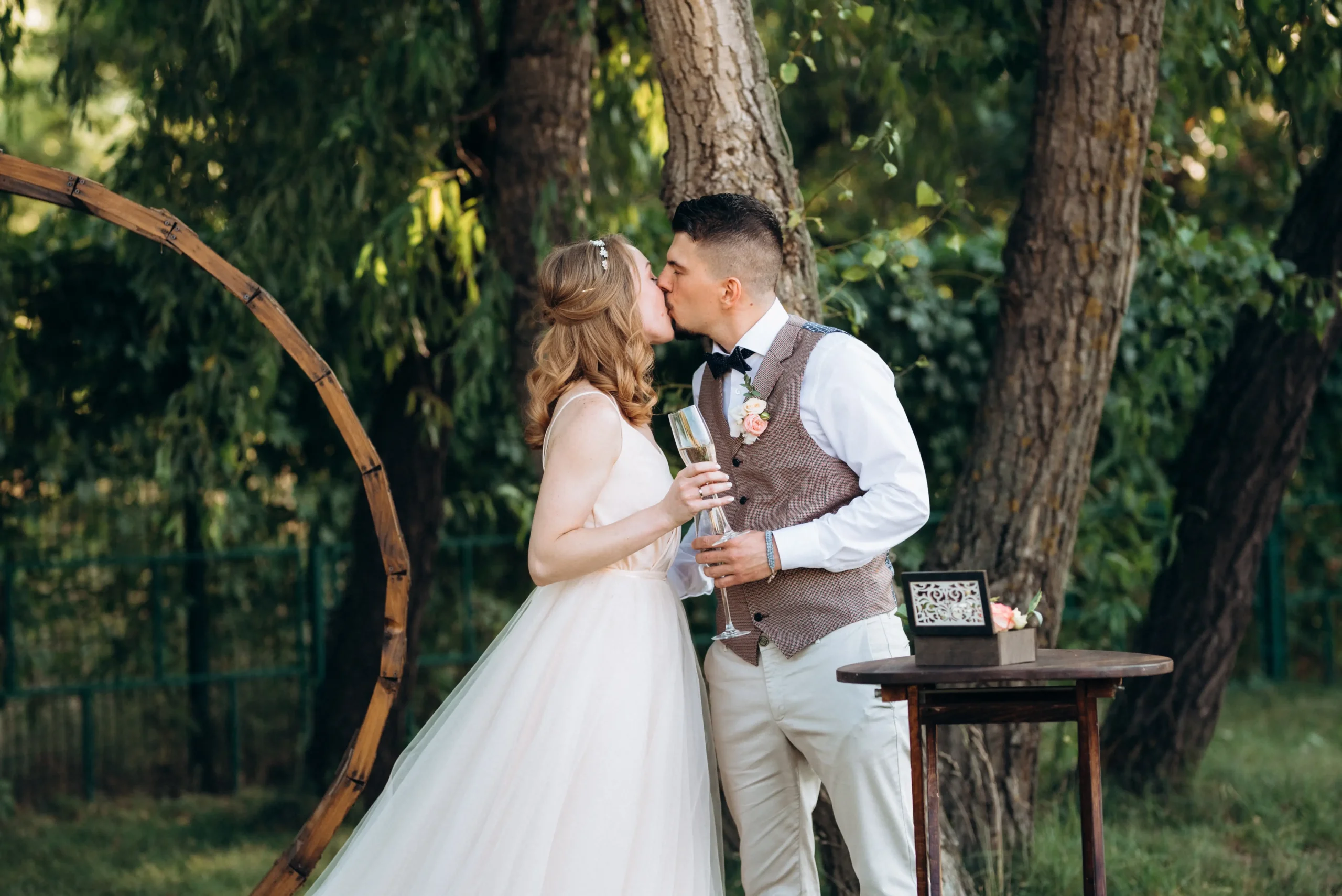
Deciding whether children should attend your wedding is a personal choice that can influence your budget, venue selection, schedule, and overall celebration. Some couples envision a formal evening with an adults-only atmosphere, while others want the energy of multiple generations sharing the day. Neither approach is inherently better. The important thing is choosing what feels right for you and communicating that decision with care.
For couples planning a wedding in New York or New Jersey, the decision may also depend on venue restrictions, guest capacity, catering arrangements, and the style of the event. A child-free wedding can be a practical option, but it may require additional thought when close friends and relatives have children.
The key is to establish your expectations early, apply them consistently, and give guests enough notice to make arrangements. Understanding child-free wedding etiquette can help you communicate your decision without making parents feel personally excluded or turning a simple boundary into a difficult conversation.
Should You Have a Child-Free Wedding?
A child-free wedding may be the right choice if you want an adults-only atmosphere, have limited venue capacity, are planning a late-night celebration, or need to manage your overall budget. It can also suit a formal event where the schedule and setting may not be practical for younger guests.
However, the decision should reflect your priorities rather than pressure from family members or assumptions about what a wedding should look like.
Before deciding, consider three questions:
- What experience do you want to create? Think about the ceremony, reception, entertainment, timing, and overall atmosphere.
- What can your venue accommodate? Check whether there are age restrictions, safety considerations, or practical limitations.
- How will the decision affect your guests? Parents may need childcare, travel arrangements, or additional time to decide whether they can attend.
If your answers point toward an adults-only celebration, you can communicate that choice respectfully without overexplaining or apologizing for it.
What Does Child-Free Wedding Etiquette Mean?
Child-free wedding etiquette is about setting a clear guest policy while treating families with consideration. It does not mean that couples must accommodate every request, but it does mean avoiding confusing invitations, inconsistent exceptions, or last-minute surprises.
The most important principle is consistency. If your policy is that children are not invited, decide whether this includes all children or whether you will make specific exceptions, such as for children participating in the ceremony.
For example, you might choose an adults-only reception while allowing a flower girl or ring bearer to attend the ceremony. That arrangement can work, provided you communicate the details clearly and consider how the children will leave or transition out of the event.
You should also agree on the policy as a couple before discussing it with family members. When both partners understand the reasoning and boundaries, it becomes easier to respond confidently to questions.
Common Challenges When Planning a Child-Free Wedding
1. Explaining the Decision to Parents
Parents may need to arrange childcare, coordinate with relatives, or decide whether traveling without their children is practical. Some may be disappointed, particularly if they expected their children to be included.
Acknowledge their circumstances without suggesting that your decision is open to negotiation.
You could say:
“We’re planning an adults-only wedding to create the celebration we’ve envisioned. We understand this may require some extra arrangements, and we wanted to let you know early so you have time to plan.”
This wording is considerate while keeping the boundary clear. You do not need to defend your choice by criticizing children’s behavior or suggesting that children would disrupt the event.
2. Handling Requests for Exceptions
Requests for exceptions can be one of the most sensitive parts of a child-free wedding. A close relative may ask to bring a child, or a friend may explain that childcare is unavailable.
Before invitations go out, decide whether exceptions will be made. If you allow some children, establish the criteria in advance. For instance, you might include children who are part of the wedding party or make an arrangement for immediate family.
If you prefer a completely child-free event, you can politely explain that the policy applies to everyone. Avoid granting exceptions simply because one person insists more strongly than another. Inconsistent decisions can create confusion and hurt feelings among guests who receive different treatment.
3. Managing Family Expectations
Parents or other relatives may believe children should be included because weddings are family occasions. They may also have expectations based on previous weddings they have attended.
Listen to their concerns, but remember that the final guest list is a decision for you and your partner. If family members are contributing financially, discuss guest-list expectations early so that everyone understands the boundaries before invitations are finalized.
It is often easier to have one thoughtful conversation at the beginning than to negotiate individual requests throughout the planning process.
4. Giving Guests Enough Time to Plan
A child-free policy may affect guests who are traveling from outside the area or attending with young children. They may need to arrange a sitter, coordinate with family, or decide whether attending is feasible.
Send invitations and communicate your policy early enough for guests to make arrangements. If you are hosting a destination-style celebration or welcoming out-of-town guests, earlier notice can be particularly helpful.
You can share general childcare suggestions if you have reliable information, but avoid promising that babysitting services will be available unless you have confirmed them.
How to Communicate a Child-Free Wedding Clearly
The way you share the decision can make a significant difference. Use several communication points so guests understand the policy before they RSVP.
Include the Policy on Your Wedding Website
Your wedding website is a useful place to explain the guest policy in a calm, straightforward way.
For example:
“Our wedding will be an adults-only celebration. We appreciate your understanding and look forward to celebrating with you.”
Keep the wording concise. A lengthy explanation can make the decision seem defensive or encourage guests to debate the reasons behind it.
Address Invitations to the People Invited
Address invitations to the specific guests you intend to invite. Your RSVP form should list the invited attendees rather than automatically allowing additional guests to be added.
This is particularly helpful when some guests have children and others do not. Clear invitation details reduce the likelihood of misunderstandings.
Respond Personally When Questions Arise
If a guest asks whether their children can attend, respond directly and warmly. A short, consistent explanation is usually enough.
For example:
“We’re keeping the celebration adults-only, so we’re unable to accommodate children at the wedding. We completely understand if that affects your plans and appreciate you letting us know.”
This acknowledges the guest’s circumstances without making them feel guilty for their decision.
Practical Considerations for an Adults-Only Celebration
Invitations and RSVPs
Make sure the wording on your invitations, wedding website, and RSVP form matches. If the ceremony and reception have different attendance rules, state those details explicitly.
Ceremony and Reception Timing
An evening wedding or a late reception may make an adults-only format more practical. However, timing alone should not be used to imply that children are unwelcome. Communicate your policy directly.
Childcare Information
You are not obligated to arrange childcare, but sharing reputable local resources or general guidance may help guests who are unfamiliar with the area. For a New York or New Jersey wedding, consider whether out-of-town guests might need more time to organize care.
Only provide specific recommendations when you have verified that the services are available and appropriate.
Wedding Party Arrangements
If children are participating in the ceremony, decide whether they will remain for the reception and who will be responsible for supervising them. Make arrangements in advance so parents and the wedding party understand the schedule.
What We Observe: Clear Communication Prevents Last-Minute Confusion
One practical detail couples can overlook is that guests may interpret invitation wording differently, especially when children are included in some parts of the wedding but not others. A general statement about an adults-only celebration may not answer every question if a child is participating in the ceremony.
The solution is to confirm the details before invitations are sent. Keep a clear record of who is invited, identify any planned exceptions, and make sure the RSVP process reflects those decisions.
Another consideration is the gap between communicating a policy and helping guests understand its practical implications. A parent may accept the decision but still need to arrange childcare or transportation. Providing early notice and responding promptly to questions can make that process easier.
The goal is not to eliminate every disappointment. It is to prevent avoidable confusion and ensure that guests have the information they need to make their own arrangements.
Child-Free Weddings and Changing Guest Expectations
Wedding celebrations increasingly reflect each couple’s preferences, from intimate gatherings to large, multi-generational events. Some couples want children involved throughout the day, while others prefer an adults-only setting. Both choices can be appropriate.
The important distinction is between setting a boundary and judging another family’s needs. A child-free wedding should not be presented as a statement about whether children belong at weddings generally. It is simply the format you have chosen for your own celebration.
Guests may decline because they cannot arrange childcare or do not want to attend without their children. That response does not necessarily mean they disapprove of your decision. Allowing guests to make their own choices without pressure helps preserve relationships on both sides.
How Wedding Planning Support Can Help
Managing a child-free wedding involves more than choosing a line for your invitations. Guest communication, RSVP tracking, seating arrangements, ceremony schedules, and any planned exceptions need to work together.
A professional wedding planner can help organize these details, coordinate the flow of the event, and keep guest information aligned with the overall plan. For weddings in New York and New Jersey, this can be especially useful when venue requirements, travel logistics, and multiple event elements need to be coordinated.
Planning support does not remove the personal nature of the decision, but it can help you communicate it clearly and manage the practical details with less stress.
Choose the Wedding Experience That Feels Right for You
Your wedding does not need to follow a universal rule about whether children should attend. Think about the atmosphere you want, your venue’s requirements, your budget, and the circumstances of the people closest to you.
If you decide on a child-free wedding, be clear early, apply the policy consistently, and communicate with empathy. You can respect your guests’ needs without making a choice that does not fit your vision.
The most thoughtful approach is one that allows you to plan confidently while giving your guests the information and time they need to make their own decisions.
Final Thoughts
Choosing a child-free wedding is a personal decision, and communicating it well can help prevent unnecessary tension. Establish your policy together, include clear information in your invitations, and respond to questions with warmth and consistency.
You cannot control how every guest feels about the decision, but you can ensure that your communication is considerate and your expectations are clear.
Plan Your Wedding With Confidence
If you are planning a wedding and need help coordinating guest communication, event details, and the overall celebration, White Wave Events can help you approach the process thoughtfully. Enquire with White Wave Events about wedding planning and design in New York and New Jersey to discuss your vision and the support that may suit your event.
FAQs
Q1. Is it acceptable to have a child-free wedding?
A. Yes. Couples can choose an adults-only celebration based on their preferences, venue limitations, budget, or event style. The key is to communicate the decision clearly and consistently.
Q2. How do you politely tell wedding guests that children are not invited?
A. First, state the policy clearly on your wedding website or invitation details. Then respond to individual questions with a warm, direct explanation that your celebration will be adults-only.
Q3. Should a child-free wedding include exceptions?
A. That depends on your preferences. Some couples include children who are part of the wedding party, while others maintain an adults-only policy for the entire event. Decide in advance and apply your policy consistently.
Q4. When should you tell guests about a child-free wedding?
A. Communicate the policy as early as possible, ideally when sharing wedding details and before guests make final travel or childcare arrangements. Early notice gives parents more time to plan.
Q5. Can a wedding planner help communicate a child-free policy?
A. A wedding planner can help organize guest information, coordinate RSVP tracking, manage approved exceptions, and ensure that the guest policy aligns with the event schedule and venue arrangements.