


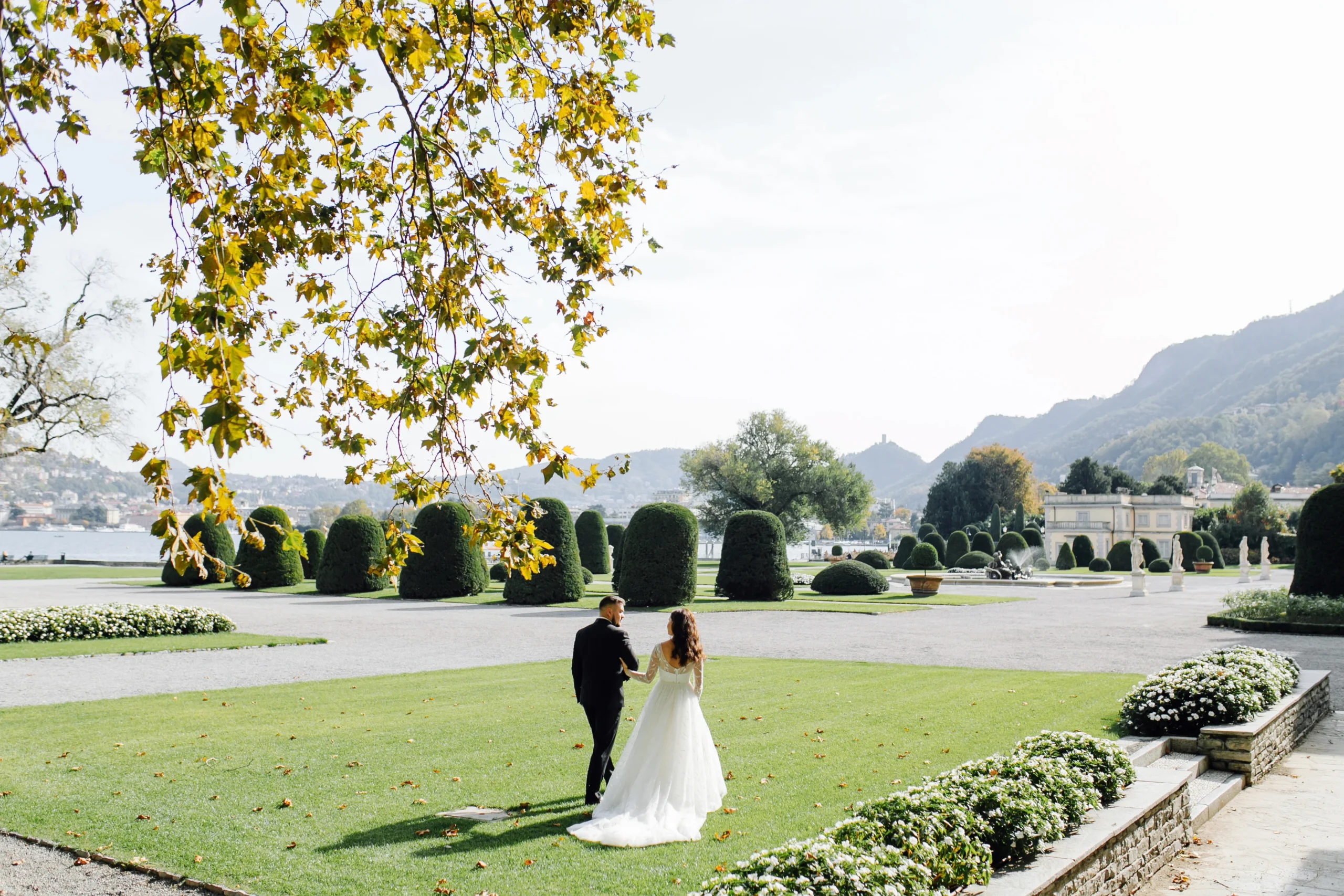
The fantasy is the beach in Tulum at sunset. The reality is a Tuesday afternoon at 3 PM trying to FedEx a marriage license to a notary in Mexico City, on the phone with a vendor who has not returned your last four emails, while your future mother-in-law texts about hotel blocks.
That is destination wedding planning when it goes sideways. The fantasy is real. Sideways is the part nobody films.
This is the working guide for US couples planning a destination wedding without the stress. The guide will walk you through all the aspects that you should be aware of.
What Makes Destination Wedding Planning Different
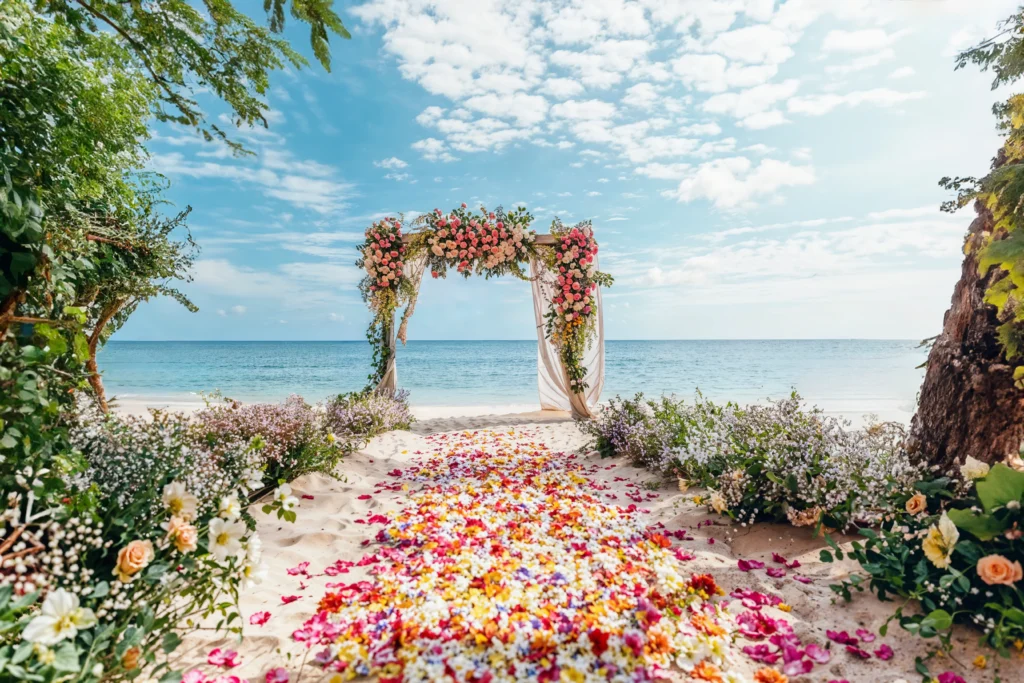
A local wedding has 30 vendors you can drive to. A destination wedding has 30 vendors you cannot.
Three structural differences that change everything:
1. Time zones, languages, and cultural norms. Vendors abroad operate on different schedules and communication styles.
2. Guest logistics become a major part of the wedding experience. Flights, hotels, airport transfers, welcome events, the wedding day. All five become your responsibility.
3. Legal requirements vary by country. Marriage licenses, residency requirements, document apostille, all of these are country-specific.
Each of these adds another layer of complexity. Together, they make destination weddings significantly more demanding to plan than local celebrations.
Which is why destination weddings benefit from a planner more than almost any other wedding type.
How Long Destination Wedding Planning Takes
Longer than couples assume. In most cases, 12 months is the practical minimum. Realistically comfortable is 14 to 18.
The extra time goes to:
1. International vendor research (no in-person tours mean longer vetting)
2. Guest travel logistics (save-the-dates must go out 9 months early, not 6)
3. Legal document timing (some countries require residency periods, document translations, or apostille)
4. Guest count finalization (more guests will decline than for a local wedding, the count moves around longer)
A 6-month destination wedding is doable. The trade-off is a heavy compromise on venue choice, photographer, and guest experience.
Choosing the Destination
The biggest decision and often the rushed one. Three filters that matter more than couples expect:
1. How easy is legal marriage in this country for US citizens? Some destinations in Mexico and the Caribbean offer relatively straightforward options, while countries such as Italy and France often have more complex legal requirements for foreign couples.
2. How many guests will realistically come? Add up the closest 80 friends and family. How many can take 4 to 7 days off and afford $1,500-$3,000 in travel? The honest number determines the venue size you need.
3. What is the time of year, hurricane season, monsoon season, peak travel cost? A January wedding in Tulum is different from a September wedding in Tulum. Plan around real weather and travel windows.
Many couples land on “we love the look of this place” without running these three filters. The look is the same. The planning experience is not.
The Top Destination Wedding Locations for US Couples
Based on what we see at White Wave Events:
| Destination | Best for | Average guest count | Legal complexity |
| Tulum / Riviera Maya, Mexico | Beach + Mayan aesthetic | 50-100 | Low (symbolic + US legal) |
| Punta Cana / DR | All-inclusive resort weddings | 50-150 | Low to medium |
| Lake Como, Italy | European elegance | 30-80 | Medium-high (residency rules) |
| Tuscany, Italy | Vineyard / countryside | 40-100 | Medium-high |
| Greek Islands | Mediterranean beach + culture | 40-80 | Medium |
| Cabo San Lucas | Beach with luxury resort options | 60-150 | Low |
| Hawaii (Maui, Kauai) | US destination, no passport needed | 50-120 | Low |
| Napa Valley, CA | US wine country | 80-150 | Low |
| Charleston, SC | US southern charm | 100-180 | Low |
The right destination depends on legal tolerance, guest count, and the aesthetic the couple actually wants.
Building the Vendor Team Abroad
The hardest part of destination wedding planning. Three approaches:
Approach 1: Resort or Venue All-Inclusive Package
The destination resort handles every vendor through their preferred list.
Pros: Simple, one point of contact, predictable pricing
Cons: Less customization, vendors are venue-aligned not couple-aligned
Best for: Couples who prioritize ease over customization.
Approach 2: Local Wedding Planner at the Destination
Hire a planner based in the destination who handles all local vendors.
Pros: Local knowledge, local vendor relationships, on-the-ground problem-solving
Cons: Coordinating from the US can be hard, time zone and language differences
Best for: Couples who want a fully customized wedding and are comfortable working with a non-US planner.
Approach 3: US-Based Planner with Destination Capability
Hire a planner who handles the US-side coordination and partners with local vendors at the destination.
Pros: One point of contact in your time zone, US contract standards, local partnerships
Cons: Costs more than just hiring local
Best for: Couples who want US-style accountability with local execution.
The Guest Experience Plan
A destination wedding is not just the day. It is the experience guests have across 3 to 5 days. Build the plan early.
The standard destination wedding guest itinerary:
1. Day before guests arrive: Welcome bags delivered to hotel rooms
2. Arrival day evening: Optional welcome drinks (low-key, not the main rehearsal)
3. Day before wedding: Rehearsal dinner (immediate family + wedding party), guest-side activity (snorkeling, vineyard tour, walking tour)
4. Wedding day: Ceremony, cocktails, reception
5. Day after: Farewell brunch
6. Optional day after that: Post-wedding excursion for guests staying longer
Each element is optional. What matters is that the couple decides what is in and what is out ideally by around month 8, and communicates it clearly so guests can plan time off and budget.
The Stress Points and How to Defuse Them
Five common stress points in destination wedding planning:
1. Guest RSVPs come in slower. People take longer to commit to a $2,000 trip. Send save-the-dates 9 months ahead. Send invitations 4 months ahead. Set an RSVP deadline 8 weeks ahead.
2. Legal paperwork timing. Start the legal research 6 months early. Documentation requirements vary widely by destination, so begin researching them at least six months in advance.
3. Vendor communication lag. Abroad-based vendors often respond more slowly. Build a 48-hour buffer into every decision deadline.
4. Family travel anxiety. Older relatives often need help with passports, flights, and transfers. Designate one family member to handle this, or build the help into your planner package.
5. Hidden vendor costs. Shipping decor, customs fees, vendor travel costs (if you bring a US photographer or florist abroad). Budget 10-15 percent extra for these.
Each is preventable with planning ahead. Each becomes a crisis when caught late.
Common Mistakes US Couples Make
1. Underestimating the number who will decline. Destination weddings typically have lower attendance rates than local weddings, so build flexibility into your guest count projections.
2. Overpacking the welcome bag. A simple, useful welcome bag (water, sunscreen, snacks, schedule card) beats a heavy elaborate one.
3. Booking dream vendors who cannot travel. Confirm vendor travel availability before falling in love with the booking.
4. Forgetting the legal piece until month 3. Many couples discover the residency or document requirements too late.
5. Trying to plan it solo. Destination weddings are where planner ROI is highest. Even partial planning can save dozens of hours of planning, coordination, and communication of email and phone time.
When to Hire a Wedding Planner for a Destination Wedding
In many cases. The question is which type.
1. Resort all-inclusive = day-of coordination from a US-based planner to handle the home-side logistics
2. Highly customized destination = full planning from a US-based planner with destination capability
3. Smaller destination weddings (under 30 guests) = partial planning often sufficient
Final Thoughts
A destination wedding can be the best decision a couple makes, or the most stressful year of their planning life. The variable is rarely the destination itself. It is the operating system around the planning.
Start 14 to 18 months out. Pick the destination using real filters, not just aesthetics. Build the guest experience plan early. Hire planning support that matches your level of comfort with international vendor coordination. Budget the 10-15 percent extra. Send save-the-dates 9 months ahead.
Planning a destination wedding?
Book a consultation with White Wave Events and let us help you navigate the arrangements before they become stressful.
FAQs
Q1. How far in advance should I start planning a destination wedding?
A. Ideally you should start 14-18 months before your wedding. This gives you plenty of time to book your venue, plan your guests’ travel, coordinate with vendors, and take care of legal requirements.
Q2. What are the biggest challenges of planning a destination wedding?
A. The most common challenges are working across time zones with vendors, handling travel arrangements for your guests, understanding local marriage requirements, and planning for hidden costs.
Q3. Should I legally marry abroad or have a symbolic ceremony?
A. Many US couples get legally married in the US and have a symbolic wedding abroad for easier paperwork. The best option will depend on the legal requirements of the destination country.
Q4. How many guests typically attend a destination wedding?
A. Travel expenses and time commitments usually result in lower attendance than local weddings. Be flexible with your guest count and expect that not everyone you invite will be able to make it.
Q5. Do I need a wedding planner for a destination wedding?
A. A wedding planner is not essential for a destination wedding, but is highly suggested. Especially if you are coordinating international vendors, logistics for a guest, or a custom event.