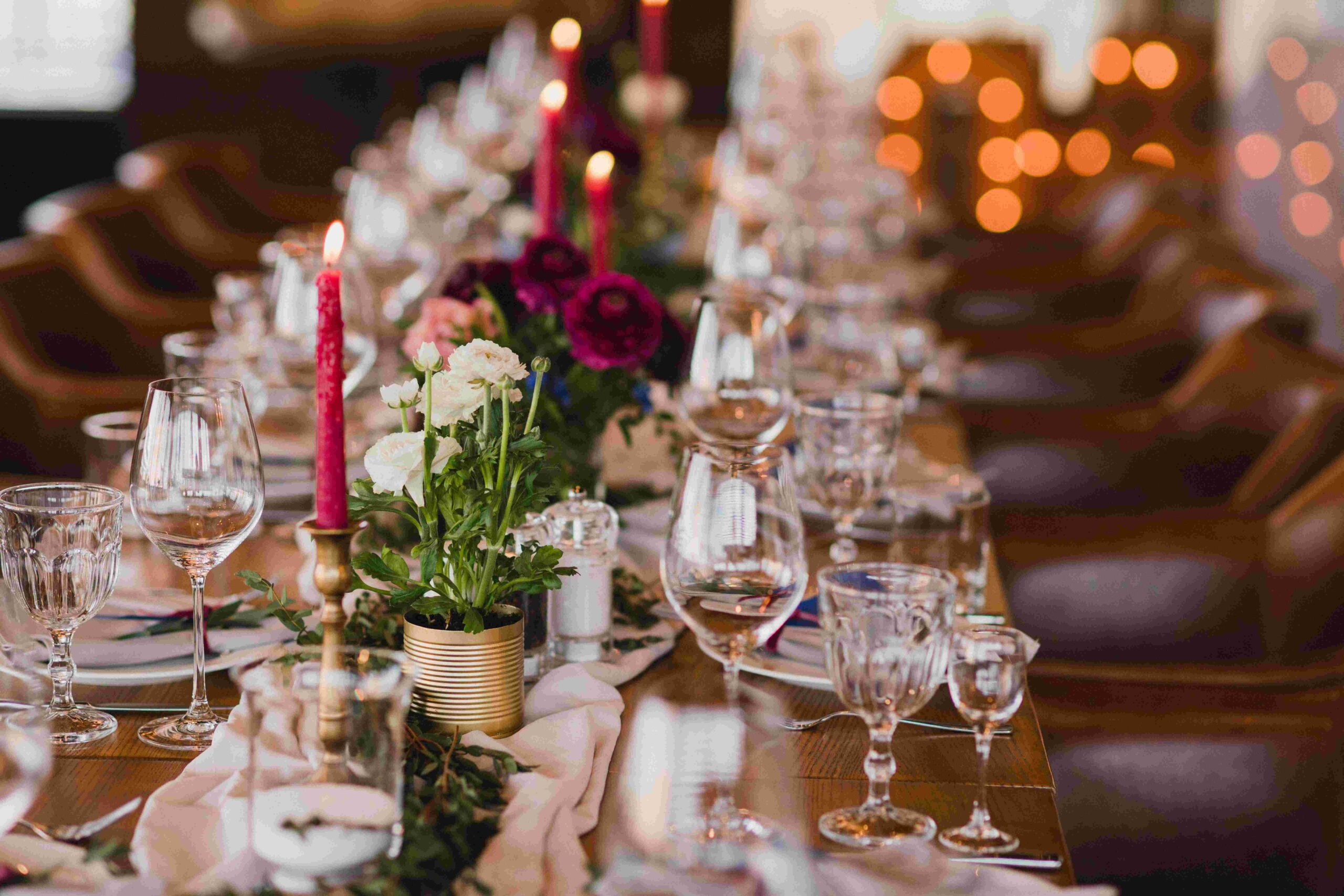



Something unexpected is likely to happen on your wedding day. Not catastrophically. Just enough to test whether the people around you can absorb it without you noticing.
A button will pop on a bridesmaid’s dress. A vendor will arrive late. The flower girl will refuse to walk. The fire alarm in the venue will go off during dinner. A grandmother will get stuck in traffic and miss the ceremony. The DJ will play the wrong song for the first dance.
Most of these are not crises. Small issues only become crises when there’s no system in place to handle them. They stay non-crises when there is a wedding emergency checklist, a kit, and people who know what to do.
Thus, this guide will walk you through all aspects to be considered to manage such crises like a pro without affecting your special day.
What a Wedding Emergency Checklist Actually Is
A wedding emergency checklist is two things together:
1. A physical kit of supplies that solves most common wedding-day issues
2. A communication and decision protocol so that issues get to the right person without the couple knowing
Both matter. The kit without the protocol means a person scrambling. The protocol without the kit means a calm scramble. Together, they look like nothing went wrong.
Wedding Emergency Kit Essentials:
What goes in the kit, broken into categories.
Attire Emergencies (the most common category)
1. Sewing kit with multiple colors of thread
2. Safety pins, fashion tape, dress tape
3. Stain remover wipes
4. Hem tape (iron-on and adhesive)
5. Extra bobby pins, hair ties, hairspray
6. Travel-size deodorant
7. Static guard spray
8. Spare pantyhose / tights in nude and black
9. Extra earring backs, cufflinks, tie clips
10. Spare nylons or hosiery
11. Mini scissors
Beauty + Personal Care
1. Touch-up makeup kit (bridesmaid and bride lipstick, powder, blotting papers)
2. Tissues
3. Mints, gum, mouthwash
4. Hand sanitizer
5. Pain relievers
6. Band-aids, blister pads (for new shoes)
7. Eye drops (allergies, contact lens issues)
8. Tampons / pads
9. Q-tips
10. Tweezers
11. Nail file, clear nail polish (runs in stockings)
Vendor + Equipment
1. Charging cables for all devices you’ll be using
2. Portable battery pack
3. Ring box, ring cleaning cloth, and a clearly assigned ring holder
4. Vendor contact list, printed (not on a phone that might die)
5. Cash for vendor tips in small denominations, if you plan to tip on the wedding day.
6. Pen, sharpie, sticky notes
7. Scissors and tape
8. Pliers (for stuck zippers, broken clasps)
9. Adhesive strips for chair backs, table runners
10. Lighter (for candles)
Health + Comfort
1. Water bottles (the bride and groom forget to drink)
2. Light snacks (granola bars, mints, crackers)
3. Sunscreen (outdoor weddings)
4. Bug repellent (outdoor weddings, dusk)
5. Umbrella (small, neutral color)
6. Cooling cloths (hot weddings)
7. Hand warmers (winter weddings)
8. Extra layer (shawl, jacket for the bride)
This kit, packed in a single roller bag or organizer, handles 90 percent of attire and personal emergencies. The kit lives with the wedding planner or the maid of honor.
Wedding Day Communication Plan

The kit handles the physical. The protocol handles the people.
Three rules that hold up:
1. The couple is not the first call. Vendor issues, family logistics, timing problems all route through the planner first. The couple is informed only when needed.
2. Every wedding party member has the planner’s number. Not the couple’s. If a bridesmaid has a problem, she calls the planner.
3. The planner has every vendor’s direct cell number. Office numbers do not work on a Saturday afternoon. Direct cell, confirmed in advance.
These three together mean the couple experiences the wedding, not the logistics.
The Top 10 Wedding Day Emergencies and How They Get Handled
| Emergency | More professional. | Who handles |
| Dress button pops or seam tears | Sewing kit, fashion tape | Planner or maid of honor |
| Vendor arrives late | Call vendor, adjust timeline | Planner |
| Weather changes (rain on outdoor) | Backup tent or indoor pivot | Planner + venue coordinator |
| Flower girl refuses to walk | Parent walks with her, or she sits with grandma | Planner + family |
| Groom forgets the rings | have a backup or delay the ceremony till someone gets the ring | Planner |
| First dance song is wrong | DJ has the right song queued in backup | Planner + DJ |
| Wedding cake gets damaged | Reposition damage to back, photograph from front | Planner + baker |
| Bridal party member misses ceremony | Adjust processional, save explanations for after | Planner |
| Bride or groom has a public crying moment | Tissues in pocket, brief pause, water | Planner + closest friend |
| Family member causes a scene | Quiet redirect, alternative seating, escort if needed | Planner + venue security |
These are the types of situations experienced wedding planners routinely prepare for and manage behind the scenes.
How to Prevent Common Wedding Day Emergencies
Most emergencies are preventable in the planning, not the moment.
1. Build a 30-minute buffer into the day-of timeline. Late vendor, traffic, last-minute hair issue, the buffer absorbs all of it.
2. Confirm every vendor by call (not email) 48 hours before. Email confirmations sometimes get missed. A direct call closes the loop.
3. Test critical equipment the day before. DJ sound check, photographer flash test, microphone check. Equipment failures are the most common day-of issue.
4. Pack the emergency kit a week early. Anything you forget, you have time to add.
5. Brief the wedding party on the protocol. Five-minute conversation at the rehearsal. Who calls the planner for what.
Common Mistakes Couples Make in Emergency Planning
1. Assuming the venue handles it. Some venues do, many do not. The venue’s job is the space, not the day’s logistics.
2. Designating the bride or maid of honor as the emergency contact. They are wearing dresses, holding bouquets, and taking photos. They’re already busy with important responsibilities throughout the day.
3. Skipping the kit because “we will be fine.” Every wedding planner has a story. Every couple who skipped the kit has a story too.
4. Not having vendor cell numbers. When the photographer is 20 minutes late and the venue’s office is closed, you need their cell.
5. Bringing the couple into every small issue. A button popping is not a couple-level problem. A button popping that the couple finds out about is one.
The Day-Of Communication Pyramid
| Level | Who handles | What they see |
| Layer 1: Minor issue | Planner or assistant | Almost everything |
| Layer 2: Vendor issue | Planner | Most vendor coordination |
| Layer 3: Wedding-party issue | Planner + MOH/best man | Family logistics |
| Layer 4: Family conflict | Planner + parents | The 1-2 things that need parent input |
| Layer 5: Couple decision needed | Planner brings to couple briefly | Only what requires their call |
A well-run wedding day has Ideally, most minor issues are resolved by the planner or coordinator before they ever reach the couple.
When the Planner Is Not There
For couples planning without a wedding planner, the emergency role falls to:
1. The maid of honor or best man (free, but they have other roles)
2. A friend specifically designated as the day-of “point person” (better)
3. A day-of coordinator hired specifically for the role ($2,500-$5,500)
If you aren’t hiring a wedding planner, assigning a trusted friend as the dedicated day-of point person can make a significant difference. Choose someone who won’t have other major responsibilities during the celebration.
Final Thoughts
A wedding emergency checklist is not paranoia. It is the difference between a wedding day where the couple was present and a wedding day where the couple spent 90 minutes solving problems.
Pack the kit. Run the communication protocol. Designate someone to handle Layers 1-4 so the couple only sees Layer 5. Confirm vendors by phone the day before. Build the buffer into the timeline.
The pros make it look easy. What they are actually doing is quietly resolving dozens of small issues behind the scenes while the couple thinks the day is going perfectly. That seamless experience is the result of careful preparation happening behind the scenes.
You can build it yourself. Or you can hire the team that builds it for hundreds of couples a year.
Planning your wedding in New Jersey or New York?
Book a consultation with White Wave Events. From day-of coordination to full-service planning, we’ll handle the unexpected, and keep your wedding running smoothly so you can focus on celebrating every moment.
FAQs
Q1. What should be included in a wedding emergency kit?
A. Pack a well-stocked wedding emergency kit with some sewing supplies, safety pins, fashion tape, stain remover, pain relievers, tissues, charging cables, snacks, water, beauty touch-up items, and a printed vendor contact list to manage common day-of problems.
Q2. Who should handle wedding day emergencies?
A. Ideally, a wedding planner or day-of coordinator should be handling vendor issues, timeline changes, and any unexpected problems. If you don’t have a planner, choose a trusted friend or family member to act as the point person.
Q3. How can we prepare for last-minute wedding emergencies?
A. Pack your emergency kit at least a week in advance, call all vendors 48 hours before the wedding to confirm, schedule buffer time, and make sure everyone knows who to call if something goes wrong.
Q4. What are the most common wedding day emergencies?
A. Common problems range from wardrobe malfunctions, vendor delays, unexpected weather, forgotten rings, damaged cakes, transportation delays, and family or guest situations. Most can be handled with good planning.
Q5. Is a wedding planner worth it for handling wedding-day emergencies?
A. Yes, for many couples. A wedding planner handles vendors, keeps timelines on track, fixes problems behind the scenes, and protects the couple from needless stress so they can enjoy the day.