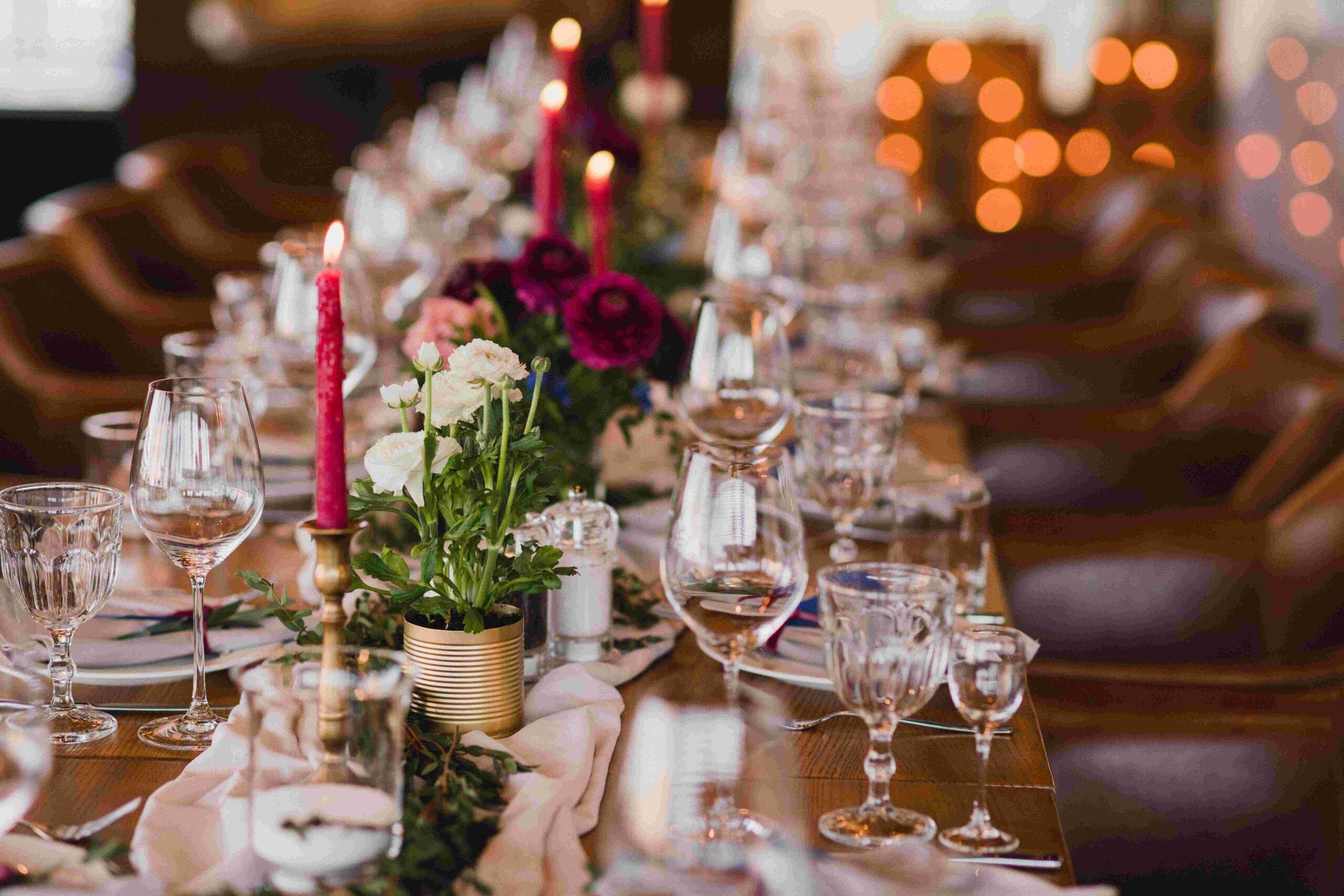



Wedding planning involves hundreds of decisions, from choosing a venue and setting a budget to selecting décor, entertainment, and the guest list. While planning a wedding together can be exciting, differences in preferences can sometimes turn seemingly small choices into difficult conversations. One partner may envision an intimate outdoor ceremony, while the other prefers a formal ballroom celebration. Both perspectives can be meaningful, making it difficult to know how to move forward.
For couples planning a wedding in New York or New Jersey, these decisions may also involve comparing venues, coordinating vendors, and balancing personal preferences with practical considerations. When family expectations, budgets, and different ideas about the celebration enter the picture, reaching an agreement can become more complicated.
The solution is not to agree on everything immediately or let one person make all the decisions. Effective wedding planning tips focus on understanding each other’s priorities, communicating openly, and finding practical compromises that reflect your shared vision. The goal is to plan a celebration that feels like both of you, not a series of decisions one partner has reluctantly accepted.
How Can You Make Wedding Decisions When You and Your Partner Disagree?
When you and your partner disagree about your wedding, begin by identifying what matters most to each of you, separating essential priorities from preferences, and evaluating the available options together. Instead of trying to win an argument, focus on finding a decision that works for both partners.
Follow these five steps:
- Pause before deciding. Give yourselves time to discuss the issue without the pressure of making an immediate choice.
- Explain your priorities. Share why a particular option matters to you rather than simply stating what you want.
- Identify practical constraints. Consider your budget, guest count, venue requirements, and planning timeline.
- Explore alternatives. Look for options that address the underlying needs of both partners.
- Agree on a decision process. Decide together how you will handle future disagreements and when a decision needs to be finalized.
For example, if one partner wants elaborate floral arrangements while the other wants to keep décor costs low, you could prioritize statement flowers in the ceremony area and choose simpler arrangements for the reception tables.
The aim is to make a thoughtful couple’s wedding decision without allowing every disagreement to become a personal conflict.
Why Is Understanding Each Other’s Priorities Important?
Wedding disagreements are not always about the immediate choice. A conversation about the venue may actually reflect different ideas about intimacy, family traditions, convenience, or the atmosphere you want to create.
One partner may see a large wedding as an opportunity to bring extended family together, while the other may prefer a smaller gathering with more time for meaningful conversations. Neither preference is inherently wrong.
Understanding the reason behind each preference can make compromise easier. Instead of asking, “Which option should we choose?” ask, “What are we each hoping this decision will achieve?”
Once you understand the underlying priorities, you can compare options more constructively. This approach also helps distinguish between decisions that require a genuine compromise and those where one partner may be comfortable allowing the other to take the lead.
Common Wedding Planning Disagreements and How to Resolve Them
1. Budget and Spending Priorities
One partner may want to invest in photography, entertainment, or décor, while the other prioritizes keeping the overall wedding budget manageable.
What to do: Establish a total budget before making major commitments. List your priorities separately, then compare where your preferences overlap.
For instance, if photography is important to both of you but elaborate décor is not, you may decide to allocate more of the budget to photography and simplify other design elements.
Avoid treating one partner as the spender and the other as the person who always says no. Both should understand the financial implications of the decisions being made.
2. Guest List and Family Expectations
Guest lists can become difficult when one partner wants to invite extended family and acquaintances while the other prefers an intimate celebration.
What to do: Agree on a target guest count and establish consistent criteria for invitations. Discuss family expectations before promising invitations to anyone.
If you cannot agree on the size of the wedding, explore whether a smaller ceremony followed by a larger celebration would suit your circumstances and budget.
3. Venue, Theme, and Décor
Different aesthetic preferences can make it difficult to choose a venue or develop a cohesive design. One partner might prefer a modern, minimalist setting, while the other loves traditional décor and elaborate details.
What to do: Identify the elements you both value, such as beautiful lighting, comfortable guest spaces, or a particular color palette. Compare venues and design ideas against those shared priorities.
You could also assign different areas of the celebration distinct but complementary styles, provided the overall design remains cohesive.
4. Traditions and Personal Preferences
One partner may want to include particular family traditions, while the other prefers a more contemporary celebration.
What to do: Discuss what each tradition means to you and decide which elements feel personally significant. Consider adapting a tradition rather than removing it entirely or including every customary element.
For example, you might retain a meaningful family ritual while choosing a more contemporary ceremony format.
Practical Wedding Planning Tips for Reaching an Agreement
Separate Essential Decisions From Flexible Choices
Create three categories for your wedding decisions: non-negotiables, strong preferences, and flexible choices.
A non-negotiable might be a firm budget limit. A strong preference could be having live music, while a flexible choice might be the exact color of the table linens.
This simple exercise helps you see where compromise is possible before discussions become emotionally charged.
Use a Shared Decision-Making Framework
For major wedding planning decisions, evaluate each option against the same criteria:
- Does it fit our budget?
- Does it reflect our shared priorities?
- Will it work for our guests?
- Are the logistical requirements manageable?
- Will we both feel comfortable with the final choice?
If one option consistently meets more of your shared requirements, the decision may become clearer.
Divide Responsibilities Without Giving Up Shared Ownership
You do not have to make every small decision together. One partner may take the lead on researching photographers while the other compares entertainment options.
Agree on the budget, overall direction, and any important restrictions first. Then let the person responsible for a particular area research suitable options and bring a shortlist back for discussion.
Delegating tasks can reduce decision fatigue, but significant financial commitments and choices that affect both partners should still follow your agreed decision process.
Set Deadlines and Avoid Reopening Settled Decisions
Repeatedly revisiting choices can make wedding planning exhausting. Set realistic deadlines for major decisions and record what you have agreed upon.
Reconsider a settled choice when new information genuinely changes the situation, such as a vendor becoming unavailable or a cost exceeding your budget. Otherwise, allow yourselves to move forward.
What We Observe: Wedding Decisions Work Better When Priorities Come First
At White Wave Events, a practical approach to wedding planning and design means considering how individual decisions affect the overall celebration. A disagreement about one detail can have consequences for the budget, event schedule, guest experience, and other parts of the plan.
For example, choosing a venue before confirming the expected guest count can create complications later. Similarly, investing heavily in one design element may leave less room for another priority. Discussing these connections before committing to individual choices helps couples evaluate the bigger picture.
Another useful consideration is timing. Couples sometimes try to resolve several major decisions in one conversation, even when they have different preferences and limited time to compare options. Breaking the process into manageable decisions can make discussions more productive.
We recommend agreeing on the overall priorities first, then evaluating individual options against them. This creates a consistent reference point when opinions differ and makes it easier to explain why a particular compromise works.
How Can You Balance Personal Style With Current Wedding Trends?
Wedding inspiration is everywhere, from social media and wedding blogs to styled shoots and friends’ celebrations. While these sources can help couples discover ideas, they can also introduce pressure to include details that do not reflect their preferences.
One partner might become enthusiastic about a popular design trend while the other prefers something simpler or more timeless.
Instead of asking whether an idea is fashionable, consider whether it fits your personalities, budget, venue, and guest experience. You can incorporate a trend through smaller details without redesigning the entire celebration around it.
Your wedding does not need to follow a single aesthetic or meet outside expectations. It should reflect the choices you make together.
How Can a Wedding Planner Help Couples Navigate Decisions?
A wedding planner can help couples organize competing ideas into a practical plan. This may include comparing venue options, coordinating vendor requirements, evaluating design choices, and understanding how individual decisions affect the overall timeline and budget.
An organized planning process can also reduce the number of decisions that need immediate attention. With clear priorities and realistic deadlines, couples can evaluate options without feeling that every choice is urgent.
For couples planning a wedding in New York or New Jersey, professional planning support can help bring venue logistics, design preferences, and event requirements together. A planner does not replace the couple’s decisions, but can help them understand their options and move forward with greater clarity.
Build a Wedding That Reflects Both of You
The most meaningful wedding decisions are not necessarily the ones where you agree immediately. They are the ones you reach after listening to each other, understanding what matters, and finding a solution you can both support.
Give yourselves permission to have different preferences. Be honest about practical limitations, recognize where compromise is possible, and remember that your wedding is one shared celebration rather than a competition between two visions.
When you approach wedding planning as a partnership, disagreements can become opportunities to understand each other better and create a celebration that feels personal to both of you.
Final Thoughts
Disagreements during wedding planning are understandable, especially when you are balancing different preferences, family expectations, and financial considerations. The key is to establish shared priorities, communicate respectfully, and use a consistent process for making decisions.
You do not need to agree on every detail. You need a way to reach decisions that respects both partners and keeps your wedding plans moving forward.
Planning Your Wedding in New York or New Jersey?
White Wave Events helps couples approach wedding planning and design with thoughtful attention to their vision, priorities, and event details. If you are preparing for your celebration and want a more organized approach to bringing your ideas together, reach out to White Wave Events to discuss your plans and explore suitable planning support.
Connect with White Wave Events to begin planning a celebration that reflects both of you and the experience you want to share with your guests.
FAQs About Wedding Planning Decisions
Q1. What should you do when you and your partner disagree about your wedding?
A. First, pause and discuss why each option matters to you. Identify shared priorities, consider practical constraints, and explore alternatives that address both partners’ needs.
Q2. How do you compromise on wedding planning decisions?
A. Second, separate non-negotiables from flexible preferences. Compare options against your shared budget, priorities, and guest experience, then choose a solution you can both support.
Q3. Who should make the final wedding decisions?
A. Third, couples should agree on a decision-making process together. You can delegate individual tasks, but major choices that affect both partners should reflect shared priorities and agreed boundaries.
Q4. How can you avoid arguments during wedding planning?
A. Fourth, set realistic deadlines, communicate openly, divide responsibilities, and avoid making several major decisions under pressure. Take breaks when conversations become unproductive.
Q5. Can a wedding planner help couples make difficult decisions?
A. Finally, a wedding planner can help organize options, clarify logistical requirements, and coordinate decisions around the budget, timeline, and overall design. White Wave Events can discuss your wedding planning needs in New York and New Jersey and help you explore appropriate support for your celebration.