

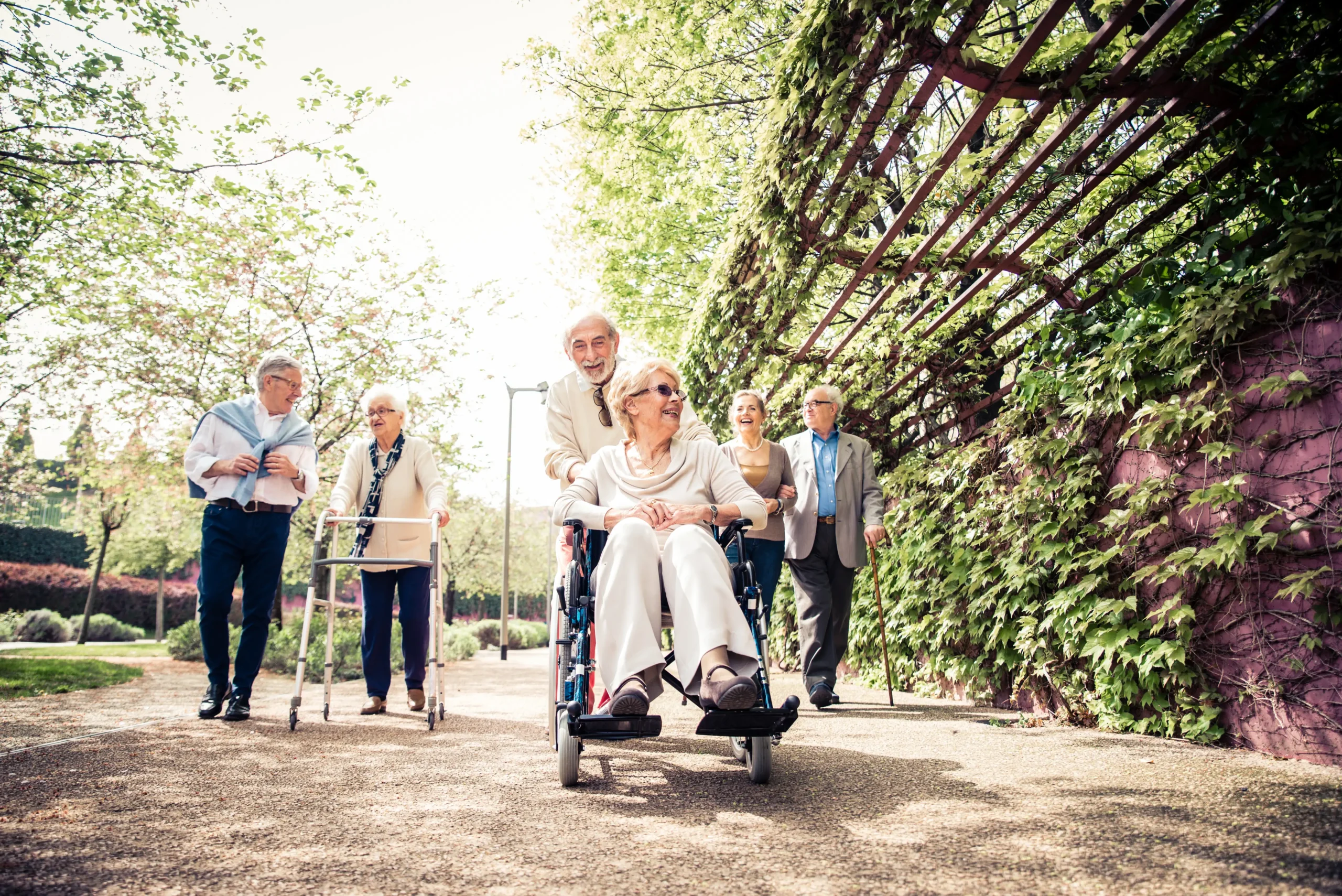
A wedding is a celebration of bringing people together, and every guest should have the opportunity to enjoy the occasion as comfortably as possible. For elderly guests and people with disabilities, however, certain details can affect how easily they participate. Long walks between event spaces, stairs without alternatives, limited seating, loud music, or inaccessible restrooms can turn an otherwise beautiful celebration into a challenging experience.
For couples planning weddings in New York and New Jersey, venue choices can range from historic estates and garden settings to hotels, ballrooms, and waterfront properties. Each setting presents different accessibility considerations, making it important to look beyond the venue’s appearance and understand how guests will move through and experience the space.
Thoughtful wedding accessibility planning does not mean compromising on style or atmosphere. It means considering different needs from the beginning, asking the right questions, and making practical arrangements that allow elderly and disabled guests to participate with dignity, comfort, and independence.
How Can You Make a Wedding More Accessible for Elderly and Disabled Guests?
You can make a wedding more accessible by choosing a suitable venue, providing step-free routes where needed, arranging comfortable seating, checking restroom access, considering transportation, and communicating important details to guests in advance.
Start with these essential steps:
- Assess venue accessibility. Check entrances, elevators, pathways, restrooms, and routes between ceremony and reception spaces.
- Understand individual needs. Ask guests privately whether they require any specific accommodations rather than making assumptions based on age or disability.
- Plan comfortable seating. Provide suitable seating near important areas and allow guests to move around without unnecessary obstacles.
- Review transportation and parking. Consider drop-off points, accessible parking, and the distance between vehicles and event entrances.
- Communicate clearly. Share practical information about access, seating, transportation, and available facilities before the wedding.
The most effective approach is to make accessibility part of the initial planning process rather than treating it as a last-minute adjustment.
Why Is Wedding Venue Accessibility So Important?
Wedding venue accessibility affects how comfortably guests can participate in the entire celebration, from arrival and the ceremony to dining, entertainment, and departure.
A venue may have an accessible main entrance but still present challenges if the ceremony takes place across an uneven lawn or the reception requires guests to navigate a long corridor without places to rest. Similarly, an elevator may provide access to another floor, but its location and availability need to work with the event schedule.
Accessibility also extends beyond wheelchair access. Elderly guests may appreciate shorter walking distances, supportive seating, clear signage, and quieter areas. Guests with hearing or vision disabilities may benefit from suitable seating positions, clear announcements, good lighting, or accessible event information.
The principle behind inclusive wedding planning for elderly and disabled guests is simple: consider how different people will experience the celebration, and remove avoidable barriers wherever possible.
Wedding Accessibility Checklist: What Should Couples Check?
1. Entrances, Pathways, and Movement
Inspect the full route from arrival to the ceremony, reception, restrooms, and exit. Look for stairs, uneven surfaces, narrow passages, steep slopes, and temporary obstacles.
For outdoor weddings, check whether pathways remain stable and manageable in different weather conditions. Grass, gravel, and soft ground can be difficult for some wheelchair users and guests with limited mobility.
Practical solution: Ask the venue to identify accessible routes and confirm that they will remain clear throughout the event. Where possible, position ceremony and reception spaces close together to reduce unnecessary travel.
2. Seating and Rest Areas
Long ceremonies, cocktail hours, and receptions can be tiring for guests who have difficulty standing for extended periods.
Practical solution: Arrange supportive seating near the ceremony entrance, cocktail area, and other key locations. Consider placing guests who need easier access near suitable entrances and exits, while respecting their seating preferences.
Avoid assuming that every elderly guest wants special seating. Ask about preferences discreetly and provide options without drawing unnecessary attention.
3. Restrooms and Essential Facilities
Restrooms should be easy to locate and reach from the main event spaces. If a guest requires an accessible restroom, confirm its availability, route, and suitability rather than relying solely on a general statement that the venue is accessible.
Practical solution: Inspect the facilities in person or request detailed information from the venue. Check door access, available maneuvering space, and whether the route remains unobstructed during the event.
If suitable facilities are not available, discuss alternatives with the venue before making a booking decision.
4. Transportation and Arrival
A long walk from the parking area, a crowded drop-off point, or a distant entrance can create difficulties before the celebration even begins.
Practical solution: Share parking and drop-off information in advance. Ask whether accessible parking is available and whether vehicles can safely stop near the entrance for guests who need assistance.
For venues with multiple buildings or outdoor spaces, provide clear directions so guests do not have to navigate unfamiliar routes on their own.
5. Lighting, Sound, and Communication
Accessibility also involves how guests receive information and engage with the celebration.
Poor lighting can make steps and pathways harder to navigate. Loud music can make conversations difficult for guests with hearing impairments, while unclear announcements may leave guests uncertain about transitions between event segments.
Practical solution: Keep pathways adequately lit, provide clear signage, and consider speech clarity when planning sound levels. Ask guests whether they need particular accommodations, such as a suitable viewing position or hearing-related support.
How Can You Make Different Parts of the Wedding More Inclusive?
Ceremony and Seating Arrangements
Choose ceremony seating that provides clear sightlines and comfortable access. Guests who use mobility aids should have appropriate spaces that accommodate their needs without separating them unnecessarily from family or companions.
If the ceremony takes place outdoors, check the route to the seating area and consider whether the ground surface will remain accessible.
Dining and Reception Layout
Ensure guests can move between tables, dining areas, and restrooms without navigating unnecessary obstacles. Allow enough space for mobility aids, and confirm that table arrangements work for guests with different seating requirements.
If the reception includes speeches or entertainment, consider whether guests can see and hear comfortably from their seats.
Food and Refreshments
Discuss dietary requirements and any assistance guests may need when accessing food stations or buffet counters. For some guests, a seated meal or staff assistance may be more comfortable than navigating a crowded buffet.
Ask about preferences rather than assuming a particular arrangement will suit everyone.
Photography and Entertainment
Plan group photographs in locations that are accessible to everyone expected to participate. Avoid requiring guests to climb stairs, stand for extended periods, or travel across difficult terrain simply to join a photograph.
For entertainment, consider seating options around the dance floor and provide convenient places to rest without isolating guests from the celebration.
What We Observe: Accessibility Depends on the Entire Guest Journey
At White Wave Events, a practical wedding planning perspective means considering how individual arrangements work together throughout the celebration. A venue’s accessibility features are important, but the complete guest journey deserves equal attention.
For example, a ceremony location may have an accessible route, yet the path to the reception could involve uneven ground or a long walk. A guest may have a suitable seat during the ceremony but struggle to find somewhere comfortable during cocktail hour. These details are easy to overlook when planning each part of the event separately.
Another important consideration is timing. If guests need additional time to move between spaces, a tightly scheduled transition can create unnecessary pressure. Allowing reasonable time between ceremony, photographs, and reception activities can make the experience more comfortable.
We recommend discussing access requirements with the venue and relevant vendors early, then reviewing the entire event layout rather than checking individual features in isolation. This helps identify practical issues before the final arrangements are in place.
Can an Accessible Wedding Still Feel Elegant and Personal?
Absolutely. Accessibility and thoughtful design can work together.
Comfortable seating can complement the overall décor, clear signage can be incorporated into the wedding’s visual style, and accessible routes can be considered when arranging floral installations, furniture, and lighting.
Rather than treating accessibility as an afterthought, couples can make it part of the design brief from the beginning. This approach often makes decisions about layouts, guest flow, and furniture placement easier to coordinate.
The goal is not to make every arrangement look identical. It is to create a celebration that reflects your style while allowing guests with different needs to participate as comfortably as possible.
How Can a Wedding Planner Support Inclusive Wedding Planning?
A wedding planner can help couples evaluate venue layouts, coordinate seating arrangements, review event transitions, and communicate practical requirements to the venue and relevant vendors.
Planning support can also help identify potential conflicts between décor installations, furniture placement, guest movement, and accessibility needs. For example, a floral display may look beautiful near an entrance but should not obstruct a clear pathway.
For couples planning a wedding in New York or New Jersey, this coordination can be particularly useful when ceremony, cocktail hour, and reception activities take place in different areas.
A planner cannot guarantee that a venue meets every accessibility requirement, so couples should confirm relevant features directly with the venue and consult appropriate specialists when necessary. The value of coordinated planning lies in identifying questions early and ensuring agreed arrangements are reflected in the event plan.
Make Every Guest Feel Considered
The most meaningful accessibility decisions often begin with a simple question: what would help each guest enjoy this celebration?
Some guests may need step-free access, while others may appreciate shorter walking distances, comfortable chairs, clear directions, or additional time between activities. Asking respectfully and planning proactively helps you respond to individual needs without making assumptions.
Use a wedding accessibility checklist when evaluating venues, communicate with guests privately, and review the complete event journey before finalizing your arrangements.
Final Thoughts
Making your wedding accessible is about creating an environment where more of the people you love can participate comfortably and confidently. From venue selection and transportation to seating, dining, and entertainment, thoughtful decisions can make a meaningful difference.
By considering accessibility early and coordinating the details carefully, you can create a celebration that balances your design vision with the comfort, dignity, and needs of your guests.
Planning an Inclusive Wedding in New York or New Jersey?
White Wave Events helps couples approach wedding planning and design with thoughtful attention to their vision, event details, and guest experience. If you are exploring venues or planning an inclusive celebration, reach out to White Wave Events to discuss your priorities and explore the planning support that may be right for your wedding.
Connect with White Wave Events to begin planning a beautiful, welcoming celebration where every guest is considered.
FAQs About Wedding Accessibility
Q1. What should be included in a wedding accessibility checklist?
A. First, check step-free access, pathways, restrooms, seating, parking, transportation, lighting, and movement between event spaces. Confirm specific requirements with the venue before booking.
Q2. How can you make a wedding venue accessible for wheelchair users?
A. Second, confirm accessible entrances, suitable routes between event spaces, appropriate restroom facilities, and seating arrangements that accommodate wheelchair users. Inspect the complete route rather than relying on general accessibility claims.
Q3. How can you make elderly wedding guests more comfortable?
A. Third, consider shorter walking distances, supportive seating, convenient rest areas, clear directions, and reasonable transitions between activities. Ask guests about their preferences rather than assuming what they need.
Q4. When should couples discuss accessibility with their wedding venue?
A. Fourth, raise accessibility requirements when shortlisting venues, before signing a contract. Confirm available facilities and discuss any arrangements that need to be made in advance.
Q5. Can a wedding planner help with accessibility arrangements?
A. Finally, a wedding planner can help coordinate layouts, seating, event schedules, and vendor communication around agreed accessibility needs. White Wave Events can discuss your wedding planning requirements in New York and New Jersey and help you explore appropriate support.