


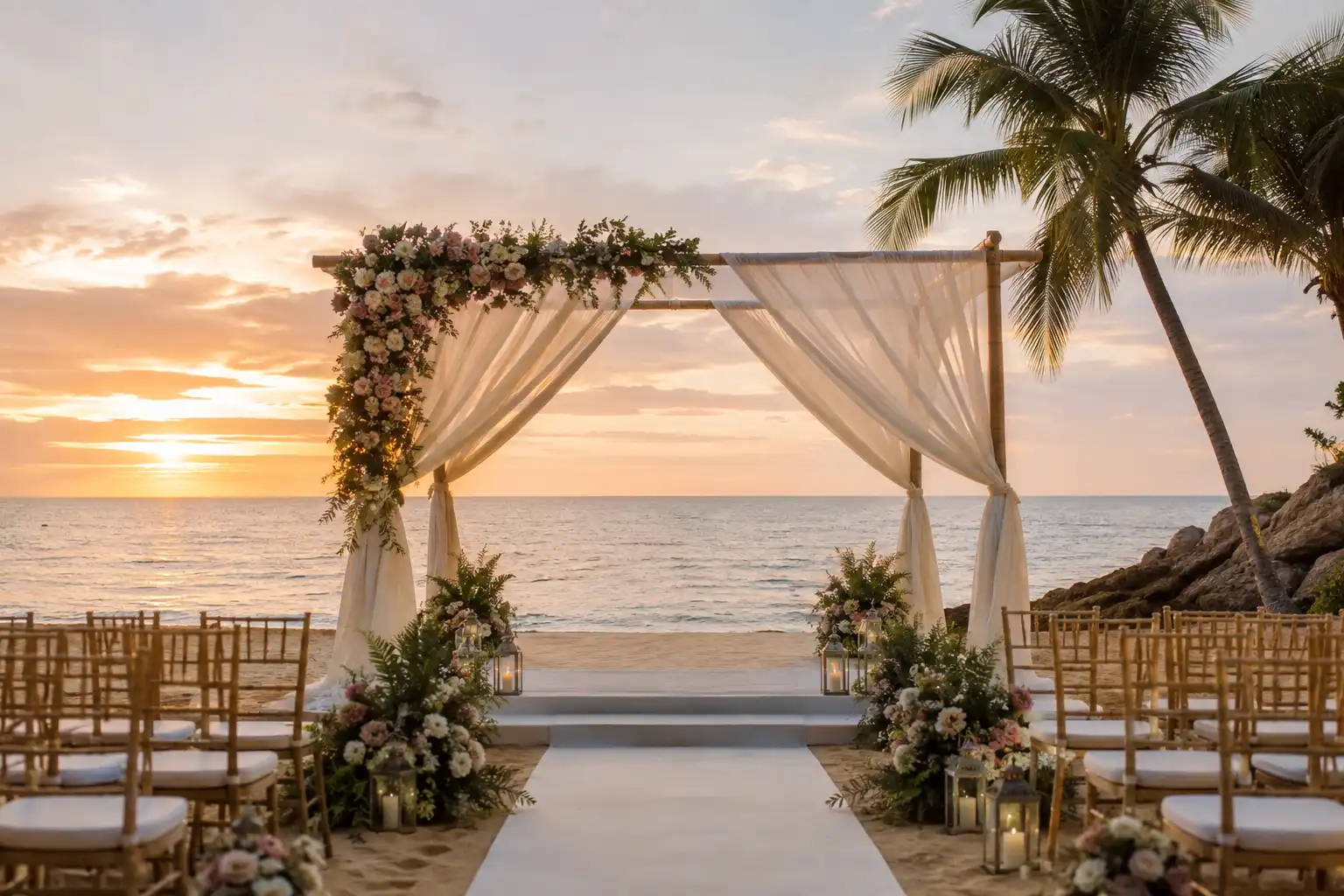
Planning a destination wedding usually starts with a beautiful vision. A couple imagines saying their vows somewhere they love, surrounded by the people who matter most. Then the practical questions appear: cost, guest attendance, and how much additional planning is involved.
A destination wedding can create an unforgettable experience, but it also comes with unique challenges. Understanding both sides can help couples decide whether this style of celebration truly fits their priorities.
What Are the Biggest Advantages of a Destination Wedding?
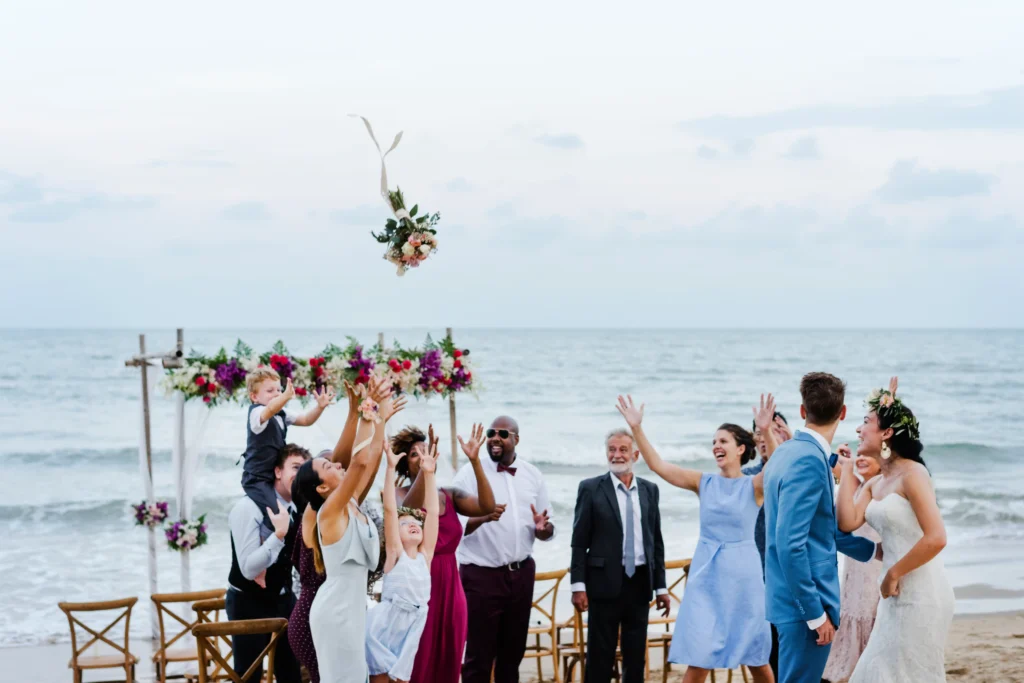
One of the biggest advantages of a destination wedding is that it naturally creates a more intimate guest list. Travel requirements and additional expenses often mean that guests who are unable or unwilling to make the journey may choose not to attend. This allows couples to celebrate with the people who are genuinely closest to them.
Destination weddings often have smaller guest lists, commonly ranging from intimate gatherings of 30 to 60 guests, compared with much larger traditional weddings. A smaller celebration can completely change the atmosphere of the wedding day, making it feel more personal and meaningful.
A destination wedding also creates an opportunity to celebrate beyond a single day. Welcome dinners, group outings, casual gatherings, or activities before the wedding allow couples to spend quality time with their guests. Instead of only having a few rushed moments together between the ceremony and reception, couples get the chance to create lasting memories throughout the entire celebration.
For couples blending different cultures or bringing together families with different traditions, a destination setting can provide more flexibility. Multiple ceremonies and cultural rituals can be planned across several days instead of being compressed into one evening. At White Wave Events, we regularly plan multicultural weddings where different traditions are thoughtfully combined, and having extra time often makes the experience smoother for everyone involved.
What Challenges Should Couples Consider Before Choosing a Destination Wedding?
While a smaller guest list can be an advantage, it can also mean that some important people may not be able to attend. Travel costs, time away from work, family responsibilities, and other commitments can prevent loved ones from making the trip. This is an important factor couples should consider before finalizing their plans.
Distance can also multiply the complexity of wedding planning. Coordinating vendors, guest accommodations, transportation, local requirements, and event details from another city or country can be challenging. Time zone differences and language barriers can add another layer of difficulty when planning a destination celebration.
Planning timelines also become more important for destination weddings. Many couples begin planning 12 to 18 months in advance, especially when securing popular venues, coordinating guest travel, or arranging celebrations in different locations. Starting early helps couples secure the venue and vendors that match their vision instead of choosing from limited availability.
How Much Does a Destination Wedding Actually Cost?
Cost is one of the biggest considerations when planning a destination wedding. While a smaller guest list may reduce some expenses, destination weddings are not automatically cheaper than traditional weddings.
According to wedding industry surveys, destination weddings can often cost similarly to or slightly more than traditional weddings. Some expenses, such as catering, seating, and favors, may decrease because of the smaller guest count. However, travel, accommodations, venue logistics, and vendor travel fees can significantly increase the overall budget.
This is where many couples experience unexpected costs. A destination wedding requires careful planning to understand what is included in venue packages and what additional expenses may come up during the process.
How Can a Destination Wedding Planner Help Simplify the Planning Process?
Distance is often the biggest challenge when planning a destination wedding, and a planner’s role is to manage that complexity for you. Coordinating vendors, timelines, guest arrangements, and multiple celebrations from a distance requires detailed planning and strong local connections.
At White Wave Events, we handle end-to-end planning support, including vendor coordination, guest travel and lodging assistance, and complete event timelines. This allows couples to enjoy the planning process without managing every detail themselves from another city or country.
Multi-day and multicultural celebrations require even more coordination. Ensuring that different ceremonies, traditions, and events flow smoothly across multiple days takes experience and careful organization. A destination wedding planner helps bring all these elements together while allowing couples and their families to focus on enjoying the celebration.
What Should You Look for When Selecting a Destination Wedding Venue?
Choosing the right venue is one of the most important decisions in destination wedding planning. Couples should understand what is included in the venue package and what services they will need to arrange separately.
Some all-inclusive venues provide extensive support, while others may require couples to coordinate additional vendors independently. It is important to ask about guest capacity, accommodation options, and nearby lodging availability before making a decision. A beautiful location is only part of the experience. Guests also need convenient and comfortable arrangements.
Couples planning weddings with specific cultural or religious requirements should confirm whether the venue can genuinely accommodate those needs. It is better to understand the possibilities early rather than face challenges closer to the wedding date.
A venue with strong local connections to florists, caterers, and other vendors can also make the planning process easier. Local expertise helps couples avoid starting from scratch and provides access to trusted professionals who understand the destination.
Is a Destination Wedding Right for You?
A destination wedding can be a great choice for couples who value an intimate, multi-day celebration with their closest people. If creating meaningful experiences matters more than having a large guest count, and you are comfortable planning for travel and accommodation costs, a destination wedding may be the right fit.
However, if a large guest list including extended family, colleagues, and a wide social circle is non-negotiable, it is important to think carefully about what a destination setting may naturally limit.
The Real Trade-Off of Planning a Destination Wedding
A destination wedding is not automatically cheaper, and it is not automatically more difficult. Instead, couples are making a trade-off. They exchange a larger guest list for a more intimate experience, a single-day celebration for several days of shared memories, and traditional planning for a more detailed coordination process.
The key is understanding what matters most to you as a couple. With the right expectations, proper planning, and professional support, a destination wedding can become a meaningful celebration that reflects your relationship and creates memories that last for years.
Weighing a destination wedding and want a second opinion? Book a free discovery call and let’s talk through what actually fits your vision.
Schedule a consultation with White Wave Events, and let us help you navigate vendor contracts, planning decisions, and every detail leading up to your wedding day.
Frequently Asked Questions
Q1. Are destination weddings more expensive than traditional weddings?
A. Destination weddings are not always cheaper or more expensive. While a smaller guest list can reduce some costs, travel, accommodations, venue logistics, and vendor expenses can increase the overall budget. Careful planning helps couples understand the true cost before making decisions.
Q2. How far in advance should you start planning a destination wedding?
A. Most couples should begin planning a destination wedding 12 to 18 months in advance. This gives enough time to secure the preferred venue, coordinate vendors, and manage guest travel arrangements.
Q3. What are the biggest benefits of having a destination wedding?
A. A destination wedding offers a more intimate celebration, allowing couples to spend meaningful time with their closest guests. It also creates opportunities for multi-day events, cultural ceremonies, and memorable experiences beyond the wedding day.
Q4. What are the biggest challenges of planning a destination wedding?
A. The biggest challenges include managing guest travel, coordinating vendors from a distance, arranging accommodations, and handling local requirements. Working with an experienced destination wedding planner can make the process smoother.
Q5. How can a destination wedding planner help couples?
A. A destination wedding planner manages vendor coordination, guest logistics, timelines, and multiple ceremonies. They help couples handle the complexities of planning from another location while ensuring the celebration runs smoothly.